
A Comprehensive Guide to Industrial Metal Fabrication in CA


Understanding Industrial Metal Fabrication
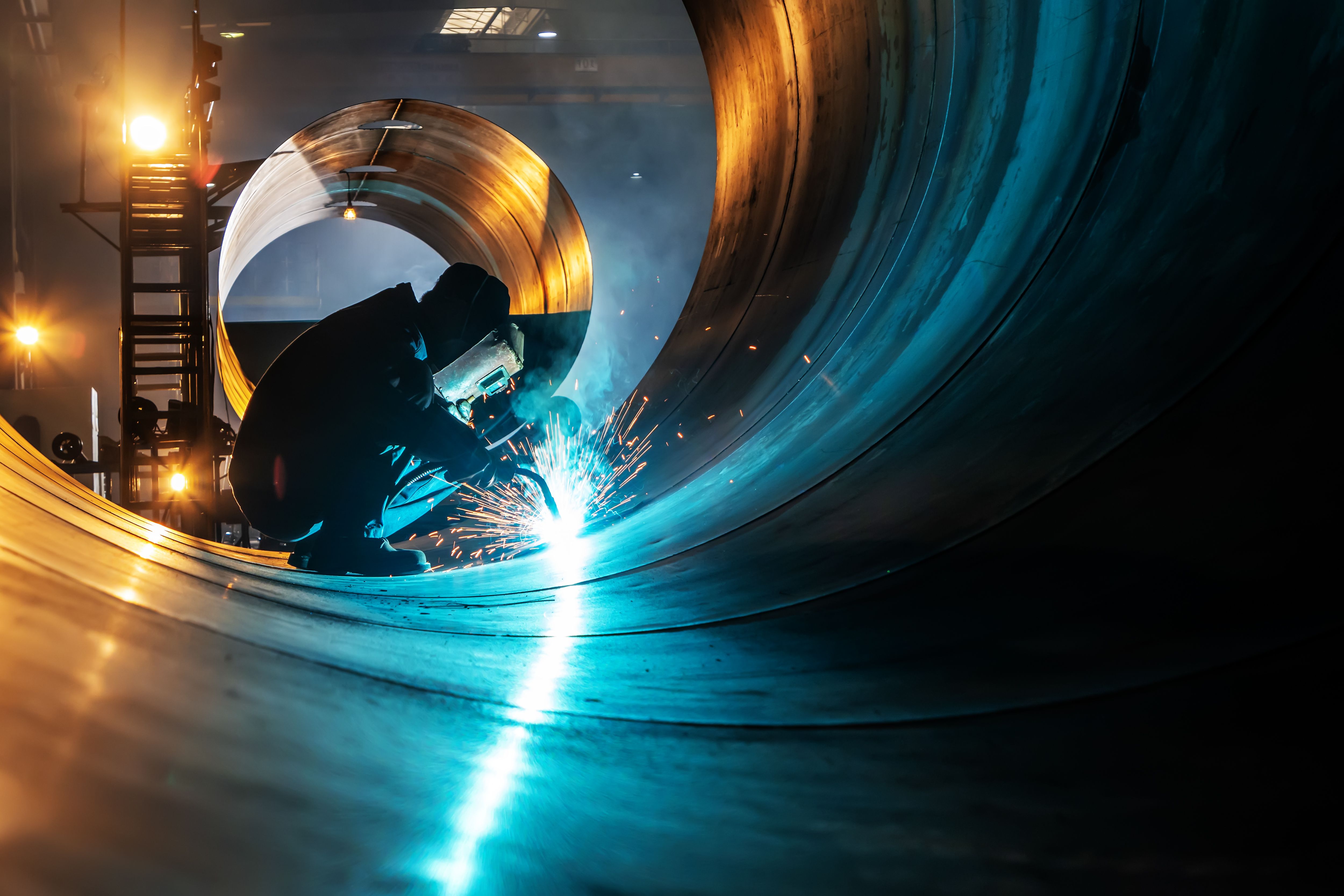
Industrial metal fabrication involves the creation of metal structures through cutting, bending, and assembling processes. This complex procedure is essential in various industries such as construction, automotive, and aerospace. California, being a hub for technological innovation, plays a significant role in advancing metal fabrication techniques.
The process begins with design and engineering, where detailed drawings and specifications are created. This initial phase ensures that the final product meets the required standards and functionalities.
Key Processes in Metal Fabrication
Cutting
Cutting is the first step in metal fabrication, where raw metal sheets are sliced into desired shapes. Techniques like laser cutting, water jet cutting, and plasma cutting are commonly used. Each method offers unique advantages, such as precision and efficiency.
Bending
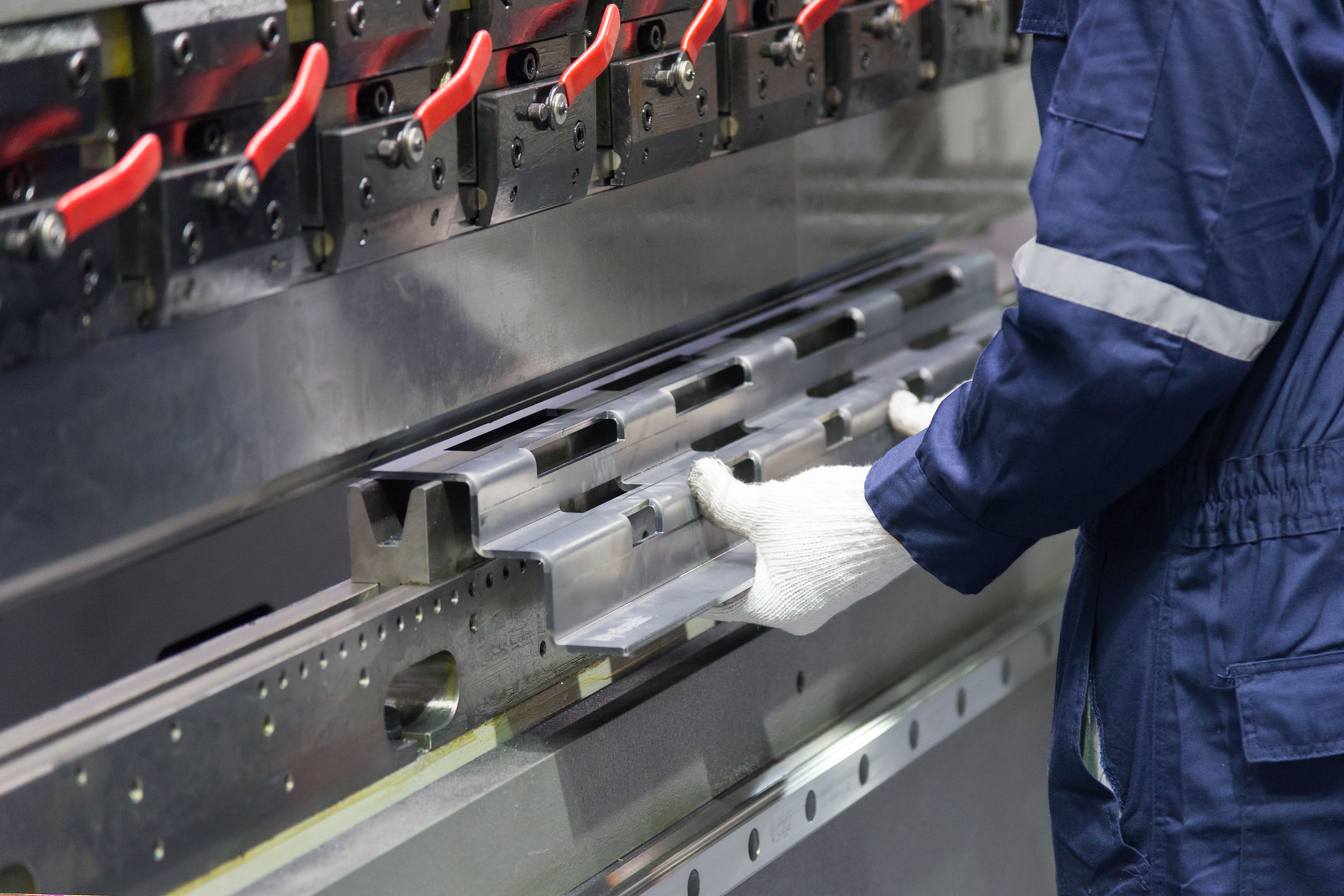
Bending involves deforming metal without removing material. This is achieved using press brakes and other specialized machines. Bending is crucial for creating angles and shapes necessary for the final product design.
Materials Used in Fabrication
A variety of metals are used in fabrication, each offering distinct properties. Common materials include:
- Steel: Known for its strength and durability, steel is used in heavy-duty applications.
- Aluminum: Lightweight and corrosion-resistant, ideal for aerospace and automotive industries.
- Stainless Steel: Offers excellent resistance to corrosion, perfect for food processing and medical equipment.
Choosing the right material is crucial as it impacts the product's performance and longevity.

Technological Advancements
California is at the forefront of technological advancements in metal fabrication. Innovations such as automation and robotics have revolutionized the industry, enhancing precision and reducing production time. Additionally, the integration of computer-aided design (CAD) and computer-aided manufacturing (CAM) ensures higher accuracy in fabricating complex structures.
These technologies not only streamline the production process but also contribute to sustainability by minimizing waste.
The Importance of Skilled Labor
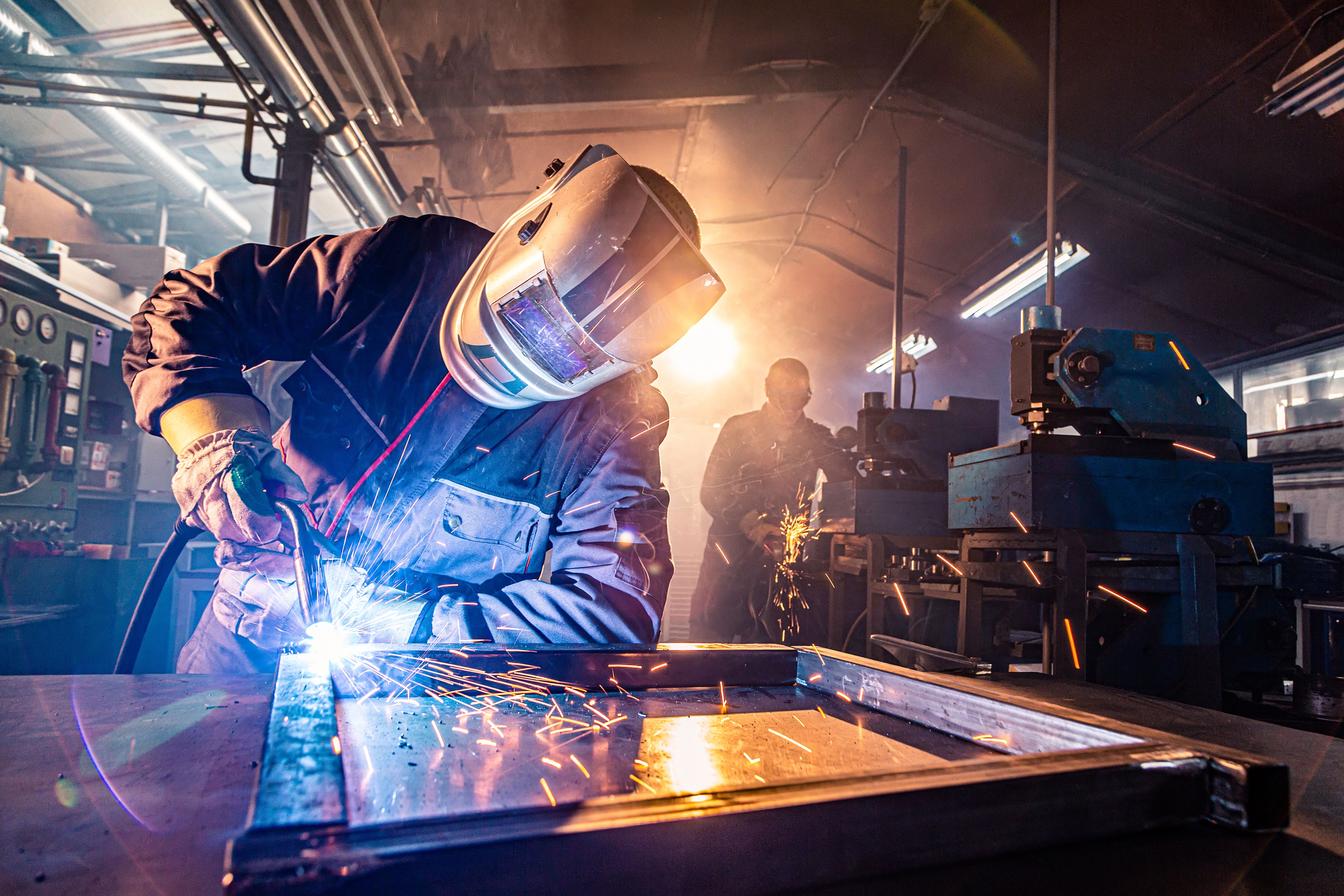
Despite technological advancements, skilled labor remains vital in metal fabrication. Experienced fabricators possess the expertise to handle intricate designs and troubleshoot unexpected challenges. In California, numerous training programs and workshops are available to equip individuals with the necessary skills.
Conclusion
Industrial metal fabrication is a dynamic and essential industry, especially in California. With continuous advancements and a skilled workforce, the state remains a leader in this field. As demand grows, so does the need for innovative solutions that balance efficiency and quality.
Understanding the intricacies of metal fabrication helps businesses make informed decisions, ensuring their projects are executed to the highest standards.