
A Comprehensive Guide to Industrial Metal Fabrication in California


Industrial metal fabrication is a critical component of California's manufacturing landscape. With its diverse economy and innovative industries, California is home to numerous metal fabrication companies that serve a wide range of sectors, including aerospace, automotive, and construction. This guide explores the intricacies of metal fabrication, highlighting the processes, materials, and technologies used in this essential field.
Understanding Metal Fabrication
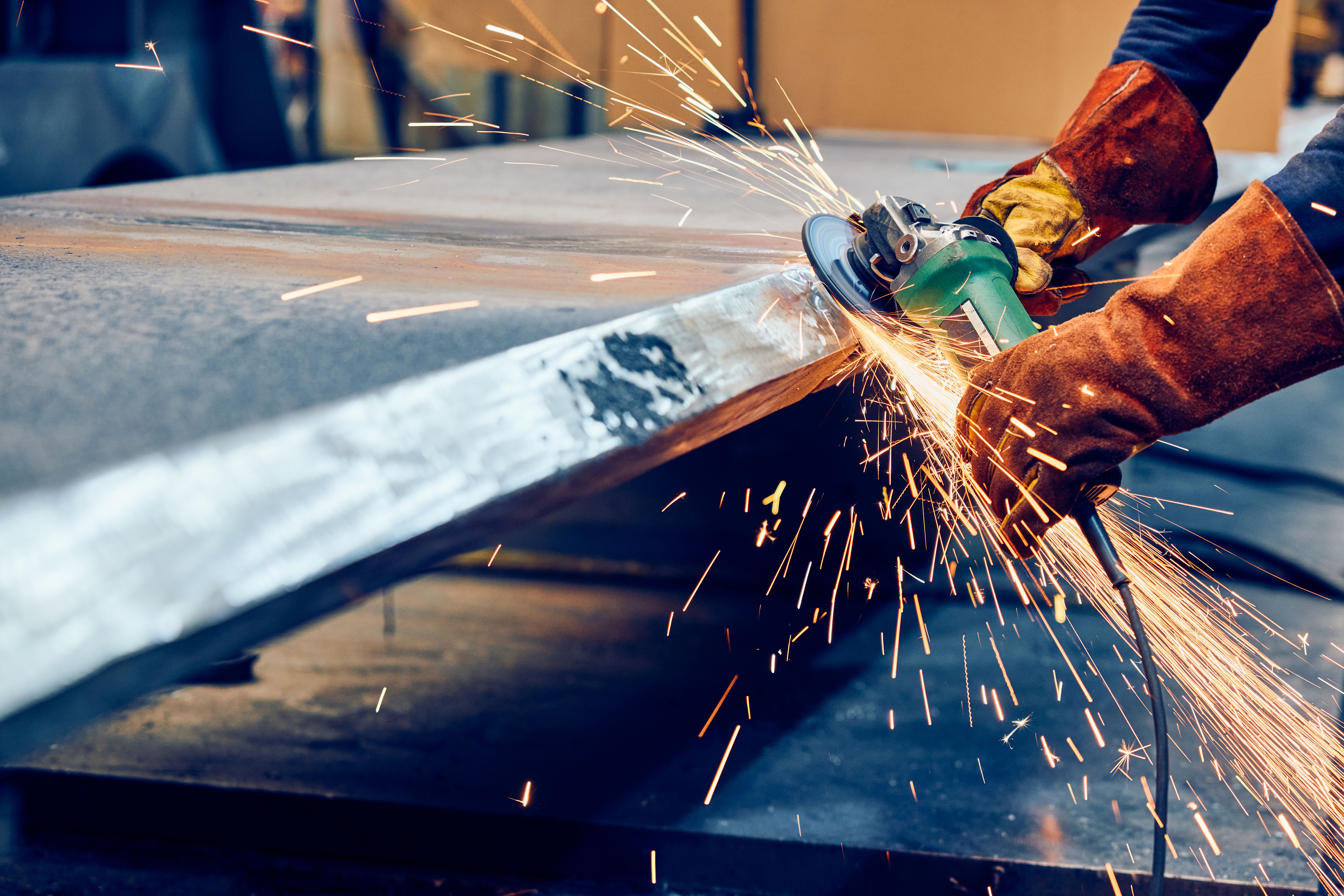
Metal fabrication involves the creation of metal structures through cutting, bending, and assembling processes. It is a highly skilled trade that requires precision and expertise. In California, the demand for skilled metal fabricators is high due to the state's booming construction and manufacturing industries.
Key Processes in Metal Fabrication
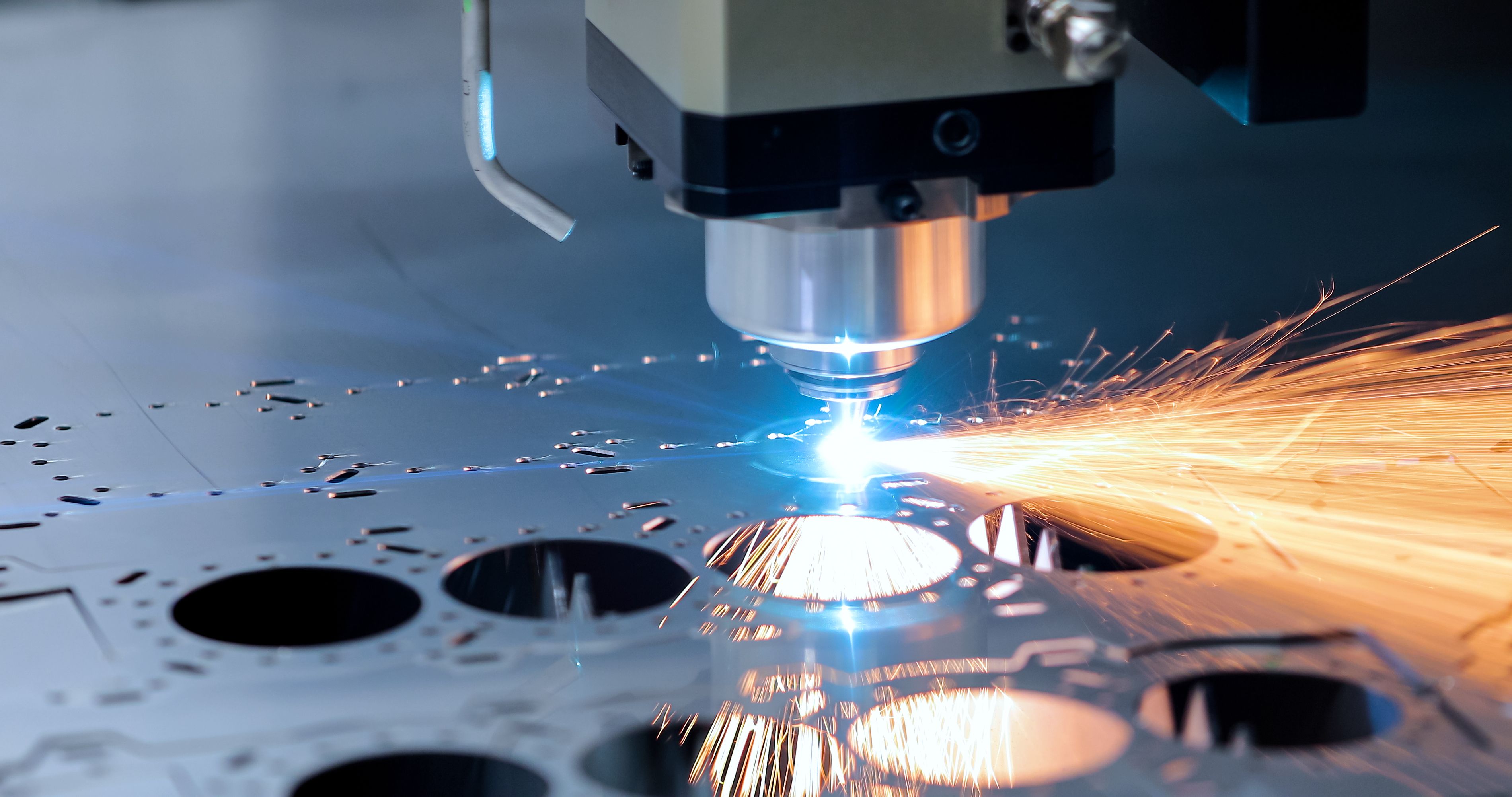
The main processes involved in metal fabrication include cutting, forming, and joining. Cutting can be done using various techniques such as laser cutting, plasma cutting, and water jet cutting. Forming involves bending and shaping the metal, while joining refers to welding, riveting, or using adhesives to connect pieces.
Materials Used in Fabrication
California's metal fabrication industry utilizes a wide range of materials, including steel, aluminum, copper, and stainless steel. Each material has its unique properties and applications. For instance, aluminum is lightweight and resistant to corrosion, making it ideal for aerospace components.
Choosing the Right Material
Selecting the appropriate material for a project is crucial. Factors such as strength, weight, and resistance to environmental conditions must be considered. This decision impacts not only the functionality of the finished product but also its cost and durability.

Technological Advancements
Technological advancements have significantly enhanced the metal fabrication industry. Computer-aided design (CAD) and computer-aided manufacturing (CAM) systems have streamlined the design and production processes, allowing for greater precision and efficiency.
Automation and Robotics
Automation and robotics are increasingly being integrated into metal fabrication. These technologies reduce labor costs and improve consistency and accuracy. In California, many companies are investing in automated systems to stay competitive in the global market.

The Future of Metal Fabrication in California
The future of metal fabrication in California looks promising, with continued growth driven by innovation and demand across various industries. As technology evolves, so too will the methods and materials used in fabrication, leading to more sustainable and efficient practices.
In conclusion, industrial metal fabrication in California is a dynamic and essential industry. By understanding the processes, materials, and technological advancements, businesses and individuals can make informed decisions to meet their specific needs. Whether you're looking to learn more or engage with a fabrication company, California offers a wealth of opportunities and expertise in this vital field.