
Avoiding Common Mistakes in Outdoor Metal Fixture Installations


Understanding Material Compatibility
When installing outdoor metal fixtures, it's crucial to ensure material compatibility. Different metals can interact in ways that lead to corrosion, significantly reducing the lifespan of your fixtures. For example, when aluminum comes into contact with steel, galvanic corrosion can occur. To avoid this, always use compatible metals or insulate them to prevent direct contact.
Additionally, consider the environmental conditions. Coastal areas with high salinity can accelerate corrosion in certain metals. Opting for stainless steel or coated metals can provide better durability in such environments.
Proper Installation Techniques
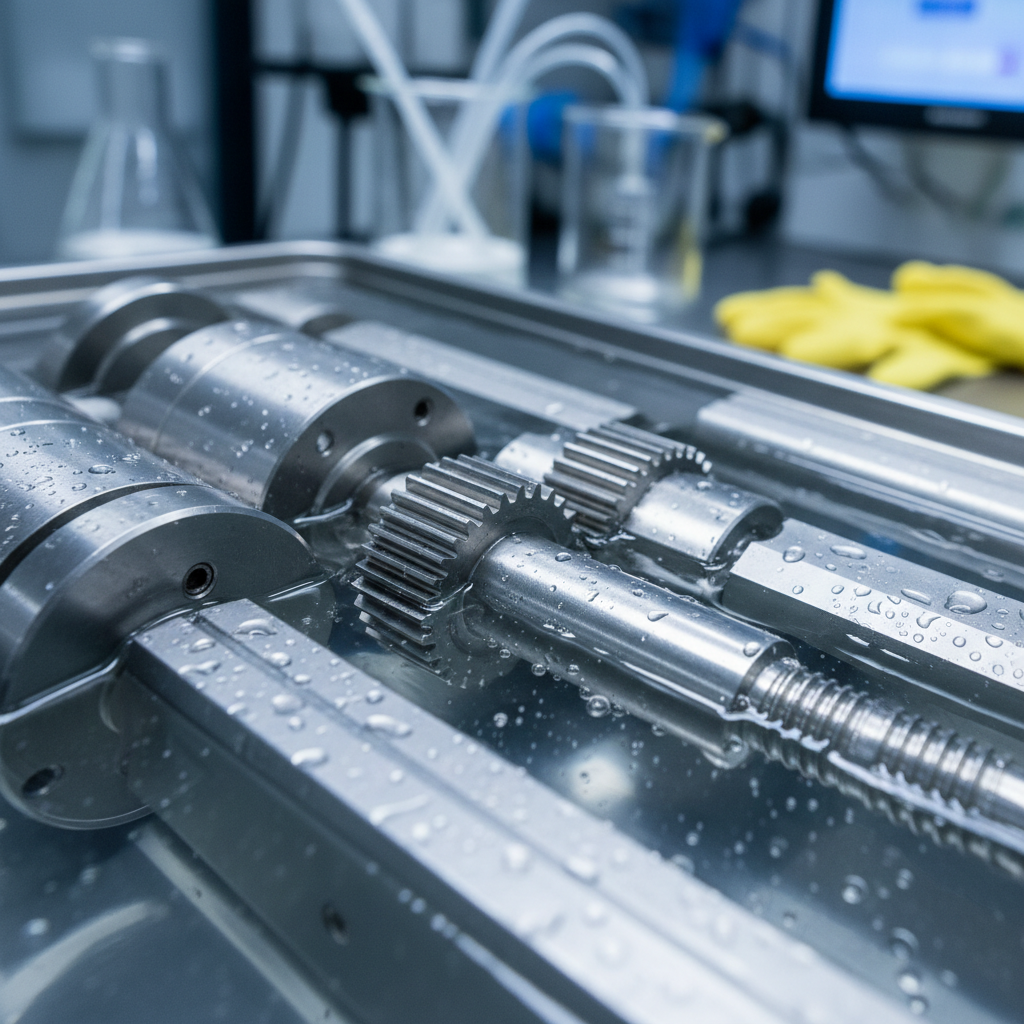
The longevity and stability of outdoor metal fixtures depend heavily on proper installation techniques. Incorrect installation can lead to structural weaknesses and safety hazards. Make sure to follow the manufacturer's guidelines closely, and use the right tools and hardware for the job.
One common mistake is overlooking the importance of proper anchoring. Fixtures should be securely fastened to a stable base to withstand wind and other environmental forces. Using inadequate anchors can result in loose or damaged fixtures.
Regular Maintenance and Inspection
Once your fixtures are installed, regular maintenance is key to ensuring their longevity. This includes routine cleaning to remove dirt and debris, which can hold moisture and cause rust over time. Regular inspections can help identify potential issues before they become serious problems.
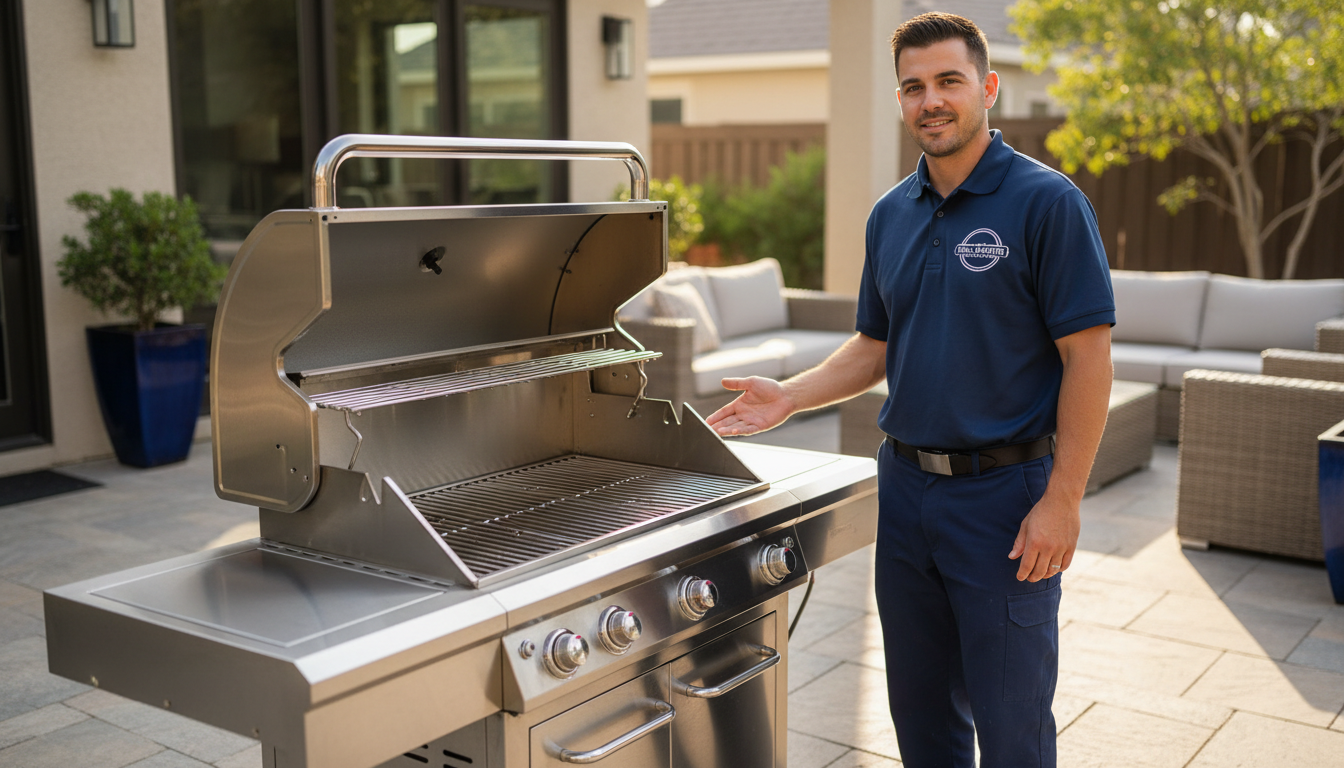
Look for signs of wear or damage, such as rust, loose screws, or cracks. Addressing these issues promptly can prevent further deterioration and ensure the safety and functionality of your fixtures.
Environmental Considerations
Understanding the environmental factors that affect your installation site is vital. Temperature fluctuations can cause metal to expand and contract, potentially loosening fixtures over time. UV exposure can also degrade certain coatings and finishes, reducing their protective capabilities.
To mitigate these effects, choose materials and finishes designed to withstand the specific conditions of your installation site. This proactive approach can save you time and money on repairs and replacements.

Choosing Quality Products
Investing in high-quality products is essential for avoiding common installation mistakes. While it may be tempting to cut costs with cheaper alternatives, these often lack the durability needed for long-term outdoor use. Look for products with good warranties and positive reviews to ensure you're making a wise investment.
Quality products are typically designed with installation ease in mind, reducing the likelihood of errors during the process. This can lead to a smoother installation and longer-lasting results.
Conclusion
Avoiding common mistakes in outdoor metal fixture installations requires careful planning, attention to detail, and a commitment to quality. By understanding material compatibility, using proper installation techniques, performing regular maintenance, considering environmental factors, and choosing quality products, you can ensure your fixtures remain safe and functional for years to come.