
Common Misconceptions About Metal Fabrication: Expert Insights


Understanding the Basics of Metal Fabrication
Metal fabrication is often misunderstood due to its complex nature and the specialized skills involved. Many people think it's simply about cutting and bending metal, but it's much more intricate. This process involves creating machines, parts, and structures from raw metal materials, and it requires a deep understanding of engineering, chemistry, and technology.
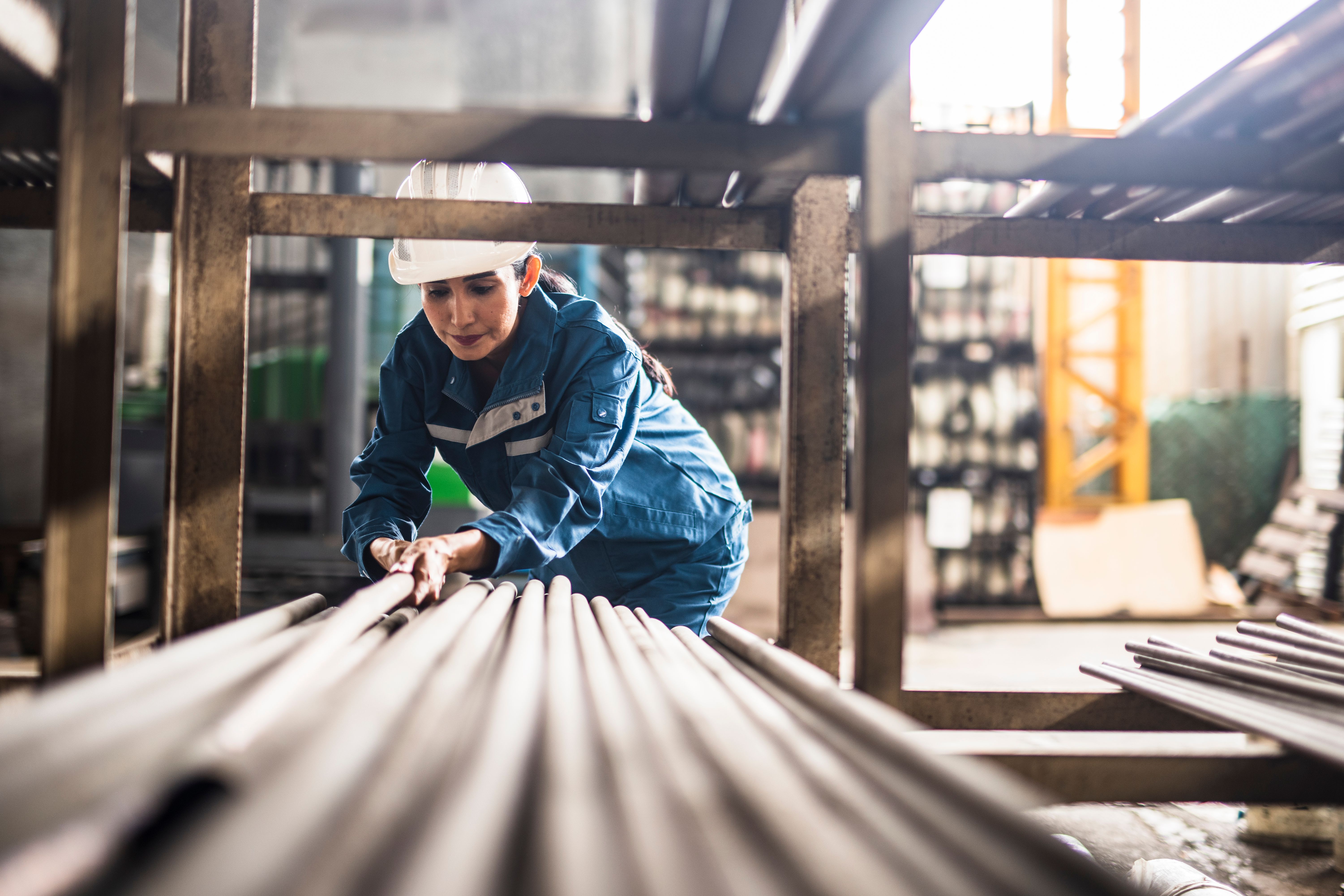
Myth: Metal Fabrication is Entirely Manual
A common misconception is that metal fabrication relies solely on manual labor. While skilled technicians play a vital role, modern metal fabrication heavily incorporates technology. CNC machines, laser cutters, and computer-aided design (CAD) software are essential tools that enhance precision and efficiency. These technologies have revolutionized the industry, allowing for complex designs and faster production times.
The integration of automation has also improved safety and reduced the margin for human error. By embracing technology, fabricators can offer more consistent and reliable products.
Myth: All Metals Are Fabricated the Same Way
Another misconception is that all metals are treated equally in the fabrication process. In reality, different metals require specific techniques and considerations. For instance, aluminum is lightweight and malleable, making it ideal for aerospace applications, while stainless steel is prized for its corrosion resistance in medical environments.
Each metal has unique properties that influence how it should be cut, welded, or manipulated. Understanding these differences is crucial for achieving the desired outcome in any project.
Myth: Metal Fabrication is Cost-Prohibitive
Many assume that metal fabrication is prohibitively expensive, but this isn't necessarily true. While custom projects can be costly, advances in technology and streamlined processes have made metal fabrication more accessible. By choosing the right materials and techniques, businesses can keep costs down while still achieving high-quality results.
Moreover, the durability and longevity of metal products often provide a better return on investment compared to other materials. By working closely with experienced fabricators, clients can find cost-effective solutions that meet their needs.

Myth: Metal Fabrication is Environmentally Unfriendly
It's a common belief that metal fabrication is harmful to the environment, but the industry has made significant strides in sustainability. Many fabricators now implement recycling programs and use eco-friendly materials. Additionally, modern techniques often require less energy and produce fewer emissions, contributing to a smaller carbon footprint.
By prioritizing sustainability, the metal fabrication industry is proving that it's possible to create robust products without compromising environmental integrity.
Conclusion
Understanding the realities of metal fabrication helps dispel these common myths. With technological advancements and an emphasis on sustainability, the industry continues to innovate and adapt. Whether you're a business owner or curious individual, recognizing these insights provides a clearer view of what metal fabrication truly entails.