
Debunking Common Myths About Metal Fabrication Services in California


Understanding Metal Fabrication
Metal fabrication is a crucial component of many industries, yet it remains shrouded in misconceptions. In California, the demand for these services is high, but so is the prevalence of myths that can mislead businesses and individuals seeking quality fabrication work. This post aims to debunk some of the most common myths surrounding metal fabrication services in the state.
Myth 1: Metal Fabrication Is Only for Large-Scale Projects
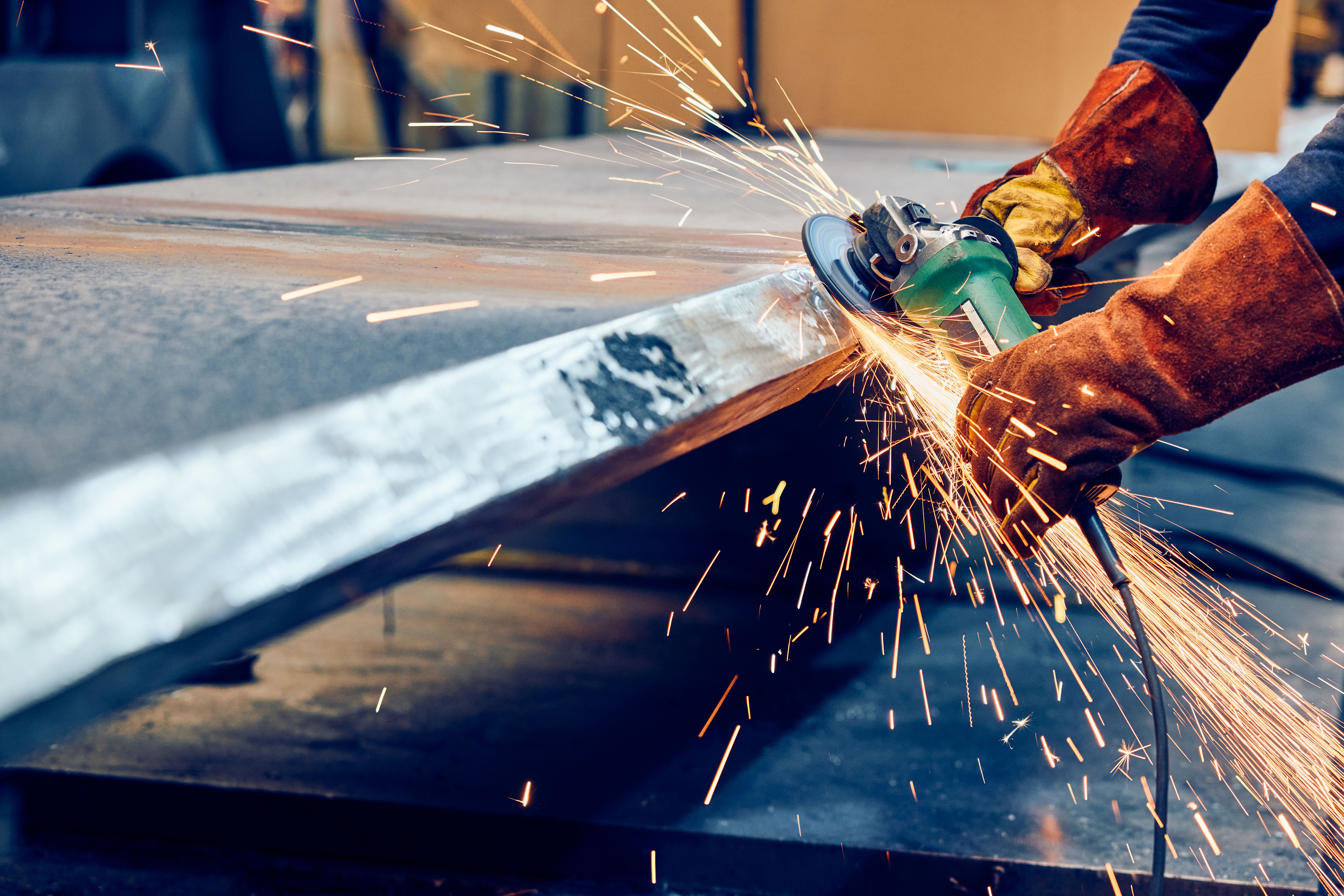
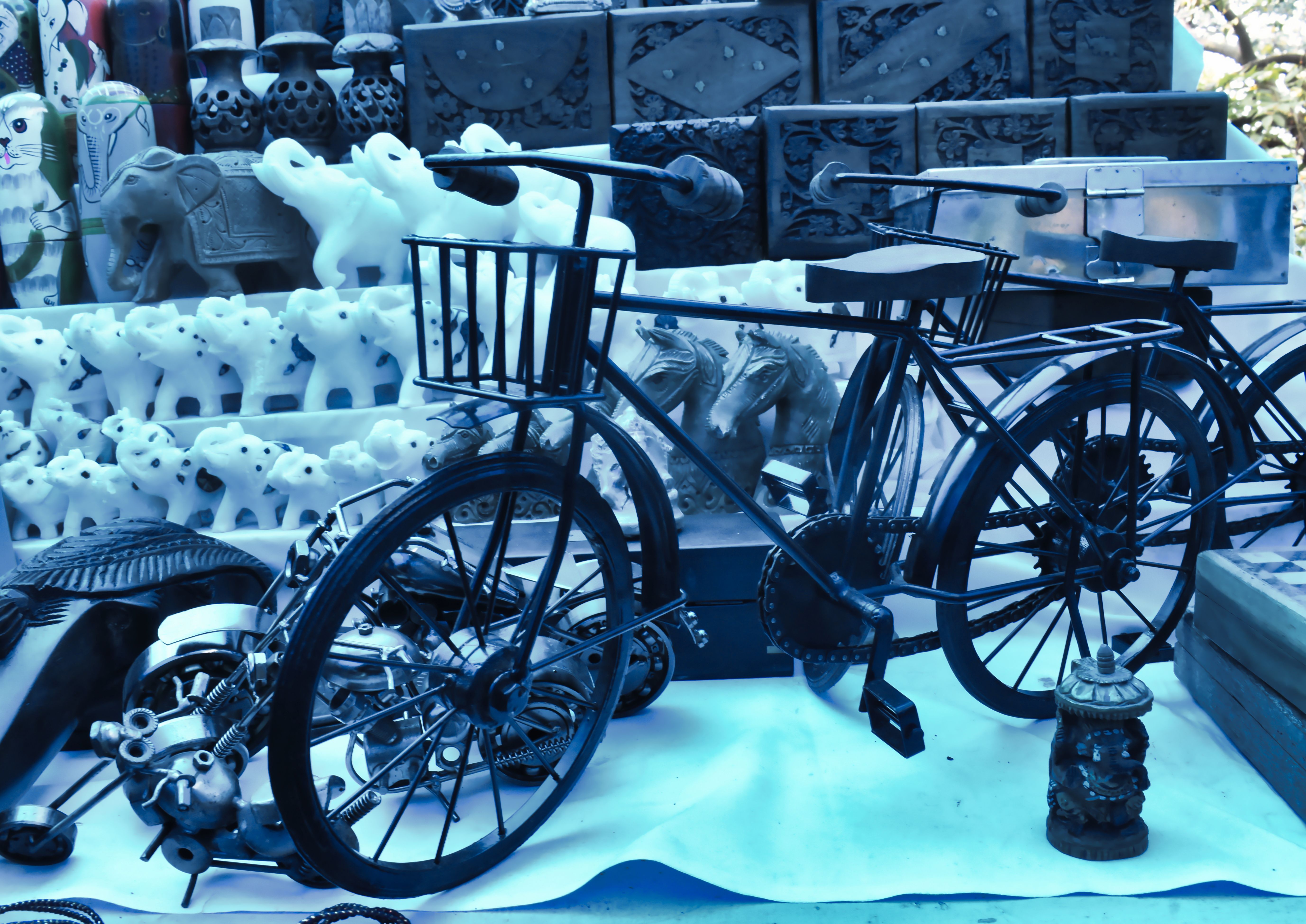
One prevalent myth is that metal fabrication is only suited for massive, industrial-scale projects. While it’s true that fabrication is essential for large endeavors, it is also instrumental for small and medium-sized projects. From custom metal art pieces to specialized components for vehicles, fabrication services can cater to a wide range of needs.
Many California-based fabrication shops specialize in providing personalized solutions for smaller projects. This flexibility allows businesses and individuals to access high-quality metalwork without the need for large-scale orders.
Myth 2: Metal Fabrication Is Too Expensive
Cost is often a concern when considering metal fabrication services. However, the belief that these services are prohibitively expensive is a misconception. Advances in technology and techniques have made metal fabrication more accessible and cost-effective than ever before.
By working with experienced fabricators, clients can receive accurate cost estimates and explore various materials and methods to fit their budget. Many shops offer competitive pricing and work closely with clients to ensure affordability without compromising quality.
Myth 3: All Metals Are Created Equal
Another common myth is the assumption that all metals used in fabrication are the same. In reality, different metals have distinct properties and applications. For instance, aluminum is lightweight and corrosion-resistant, making it ideal for aerospace components, whereas steel is known for its strength and durability.
- Aluminum: Lightweight and resistant to corrosion.
- Steel: Known for strength and versatility.
- Stainless Steel: Resistant to rust and suitable for food-grade applications.
Understanding these differences is essential for choosing the right material for your project. Experienced fabricators can guide clients in selecting the appropriate metal to ensure optimal results.
Myth 4: Fabrication Is Entirely Manual Labor
While traditional craftsmanship is an integral part of metal fabrication, the notion that it is solely manual labor is outdated. Modern fabrication shops in California use cutting-edge technology, such as CNC machines and laser cutters, to enhance precision and efficiency.
This blend of technology and craftsmanship allows fabricators to produce intricate designs and maintain high standards of quality. By leveraging automation, fabricators can handle complex projects with greater speed and accuracy.
Myth 5: Customization Is Limited
Some people believe that customization options in metal fabrication are limited. In truth, the possibilities are vast, thanks to advancements in techniques and technology. Whether it's creating unique architectural elements or specialized machinery parts, customization is a strong suit of modern metal fabrication.
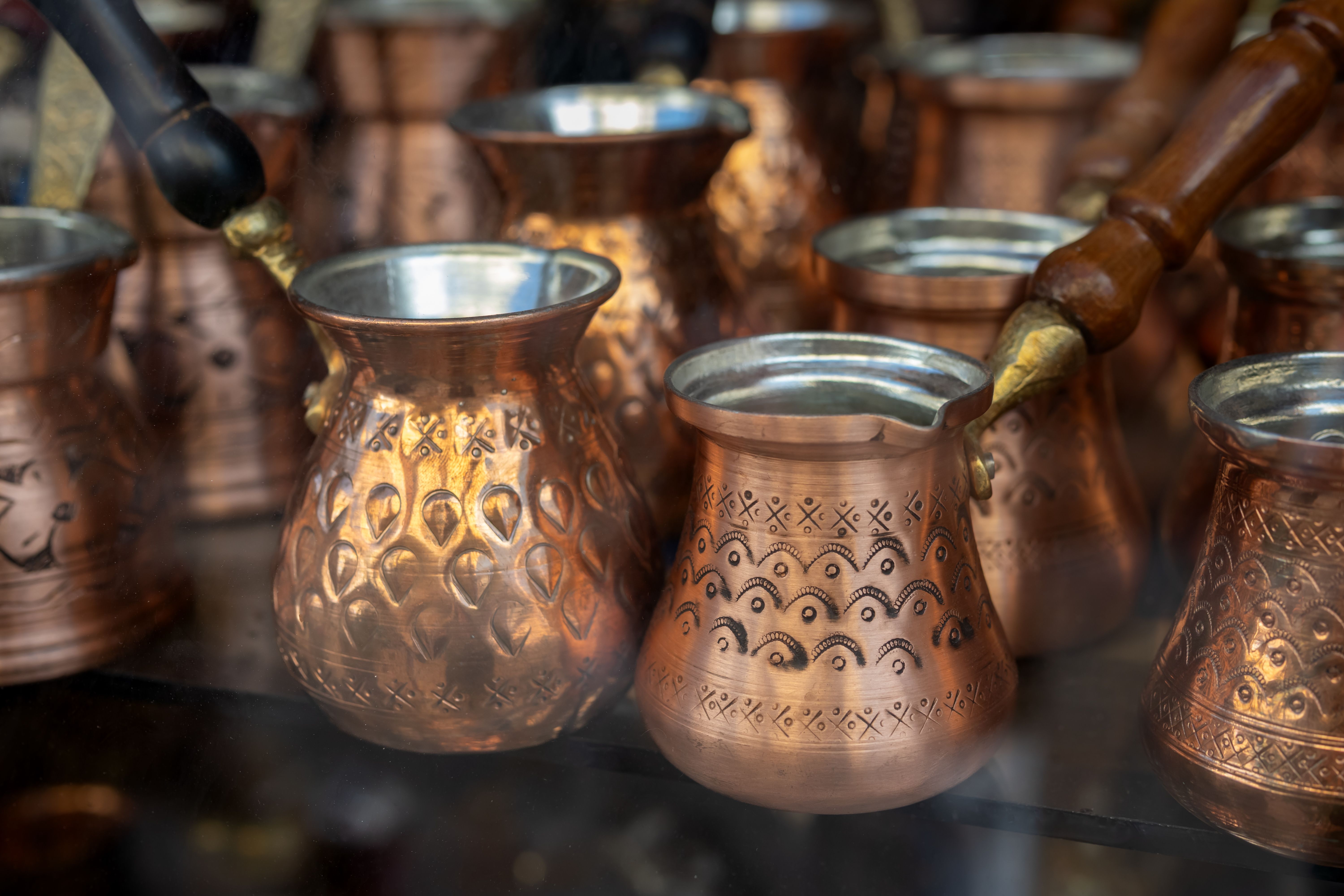
Fabricators work closely with clients to bring their visions to life, offering a wide range of finishes, sizes, and designs. This collaboration ensures that the final product meets the client's specific requirements and aesthetic preferences.
In conclusion, understanding the realities of metal fabrication can help businesses and individuals in California make informed decisions. By dispelling these myths, you can better appreciate the value and versatility that metal fabrication services offer.