
DIY vs. Professional Welding: Why Expertise Matters


Understanding the Basics of Welding
Welding is a crucial process in many industries, from construction to automotive repair. It involves joining two or more pieces of metal together by melting them at high temperatures. While some may consider it a simple task, welding requires a combination of skill, precision, and experience.
For many DIY enthusiasts, welding can be an appealing project. However, it’s essential to understand the complexities involved before diving in. Professional welders undergo extensive training to master the art of welding, ensuring safety and quality in every project.
DIY Welding: The Appeal and Challenges
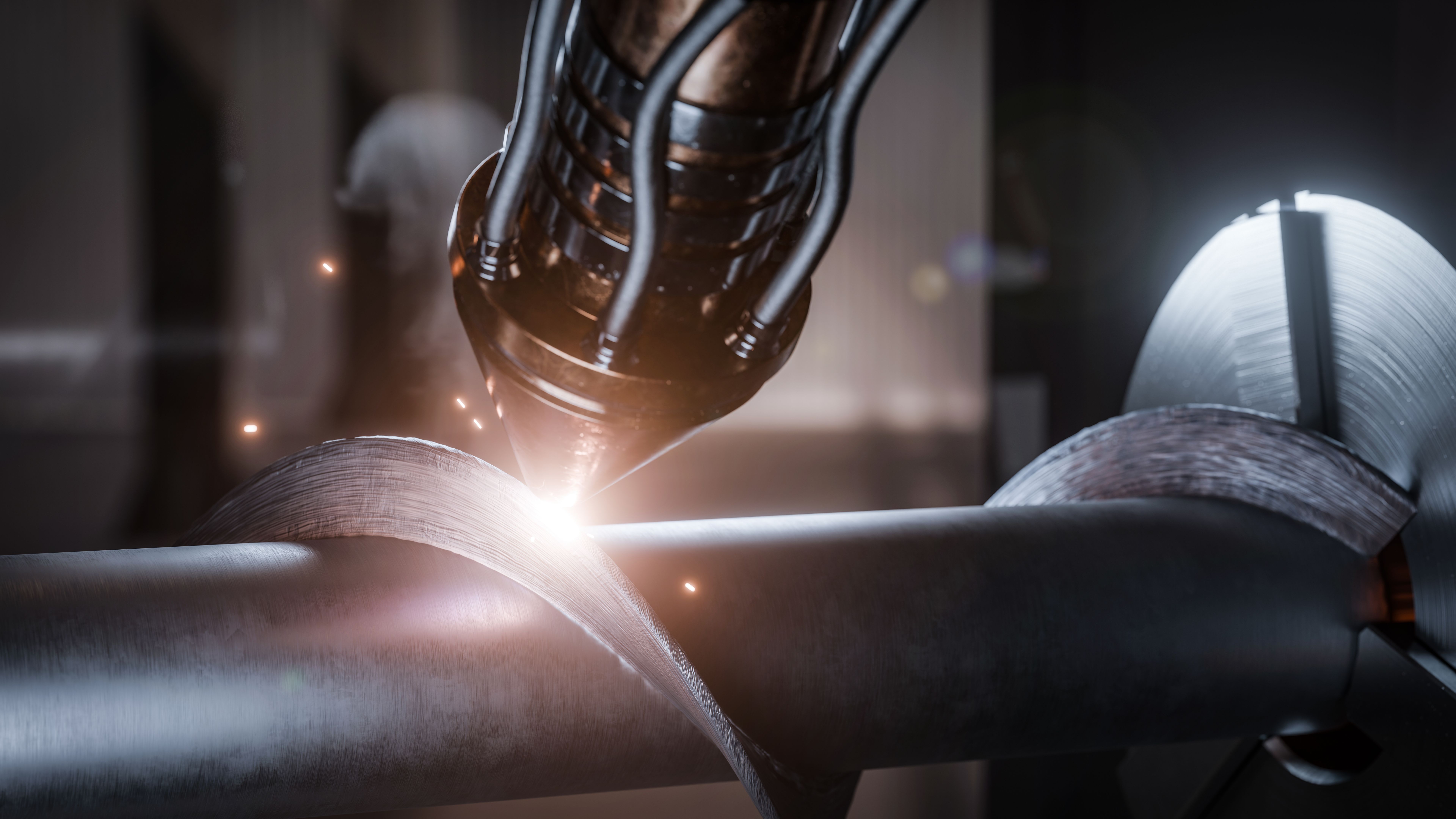
DIY welding offers a sense of accomplishment and the opportunity to learn a new skill. With the right equipment, such as a welder, safety gear, and a workspace, anyone can start a welding project. There are countless online tutorials and guides that make it easier for beginners to get started.
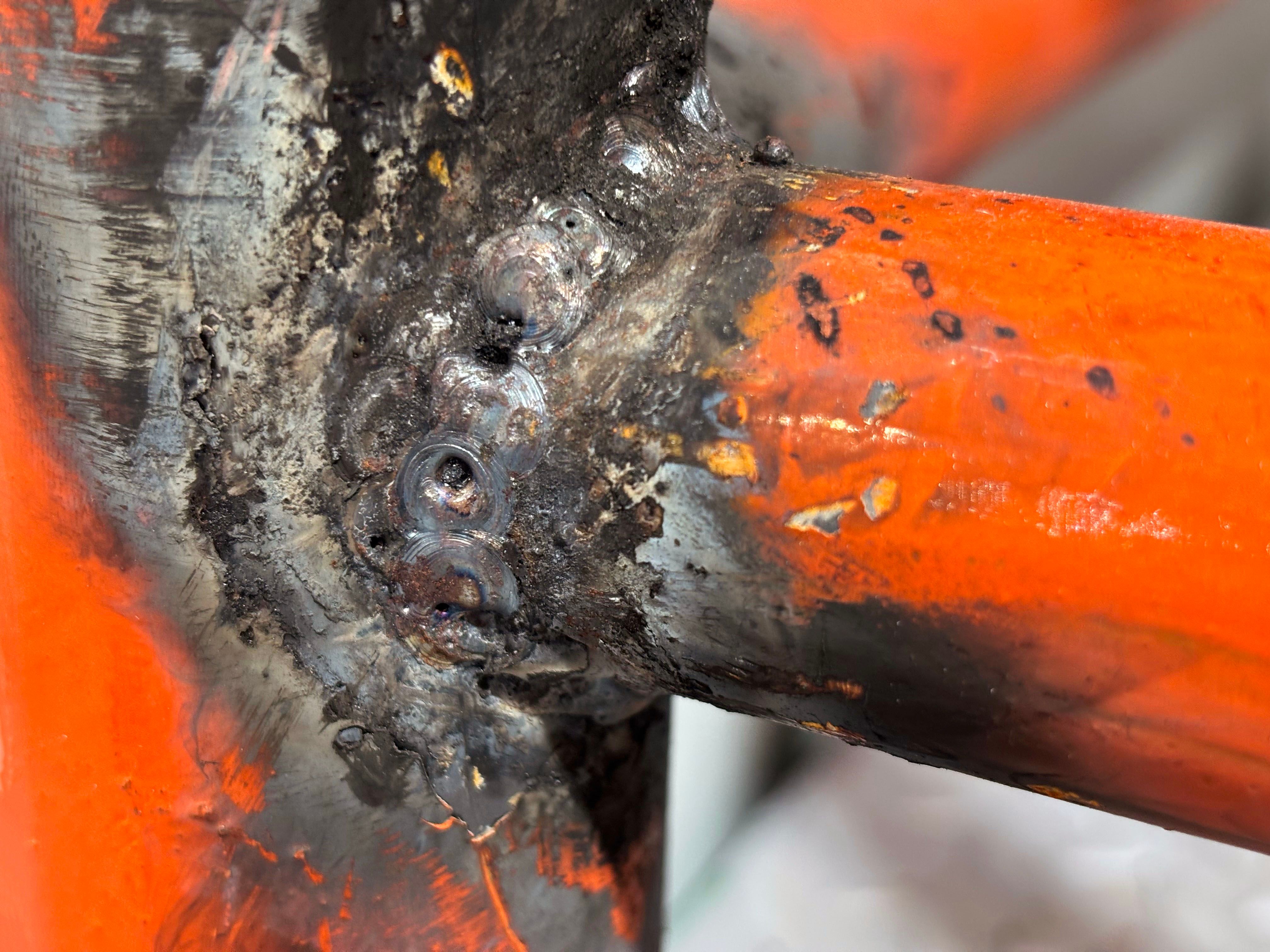
However, the challenges of DIY welding should not be underestimated. Without proper training, there is a risk of injury or producing weak welds that could fail under stress. Additionally, DIY welders might not have access to advanced equipment that professionals use, which can impact the quality of the work.
Common Mistakes in DIY Welding
Some common mistakes include using the wrong type of welding for a project, inadequate preparation of the metal surfaces, and not following safety protocols. These errors can result in poor quality welds and potential safety hazards.
Professional Welding: The Benefits of Expertise
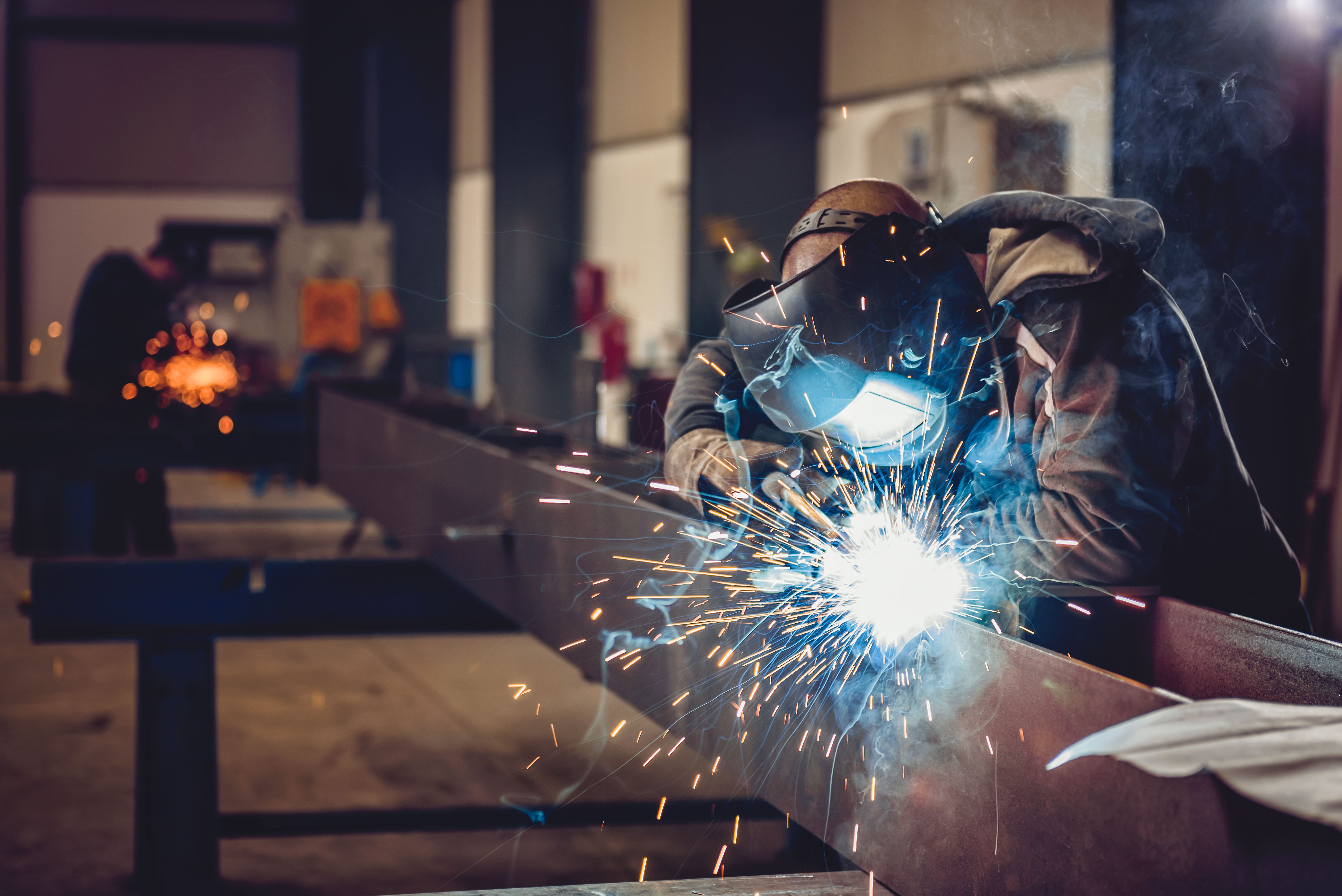
Professional welders bring a level of expertise that is hard to match. They are trained to handle various welding techniques, such as MIG, TIG, and stick welding, each suited for different materials and applications. This expertise ensures that the welds are strong, durable, and meet industry standards.
Moreover, professionals have access to high-quality equipment and tools, allowing for precision and efficiency. They also follow strict safety regulations, minimizing the risk of accidents.
When to Hire a Professional Welder
It's advisable to hire a professional welder for projects that require high precision, such as structural work, or when dealing with complex materials. Additionally, if the project is time-sensitive or large-scale, a professional's expertise can be invaluable.
Conclusion: Making the Right Choice
Both DIY and professional welding have their place, and the right choice depends on the project’s requirements, your skill level, and the resources available. For those new to welding, starting with small projects and gradually building skills can be rewarding.
However, for critical projects, hiring a professional ensures that the job is done safely and to a high standard. Remember, when it comes to welding, expertise truly matters.