
Myth-Busting: Common Misconceptions About Metal Fabrication


Understanding Metal Fabrication
Metal fabrication is a fascinating field, yet it's often misunderstood. These misconceptions can lead to confusion and missed opportunities for businesses and individuals alike. Let's delve into some common myths and set the record straight.
Myth 1: Metal Fabrication Is Only for Large-Scale Projects
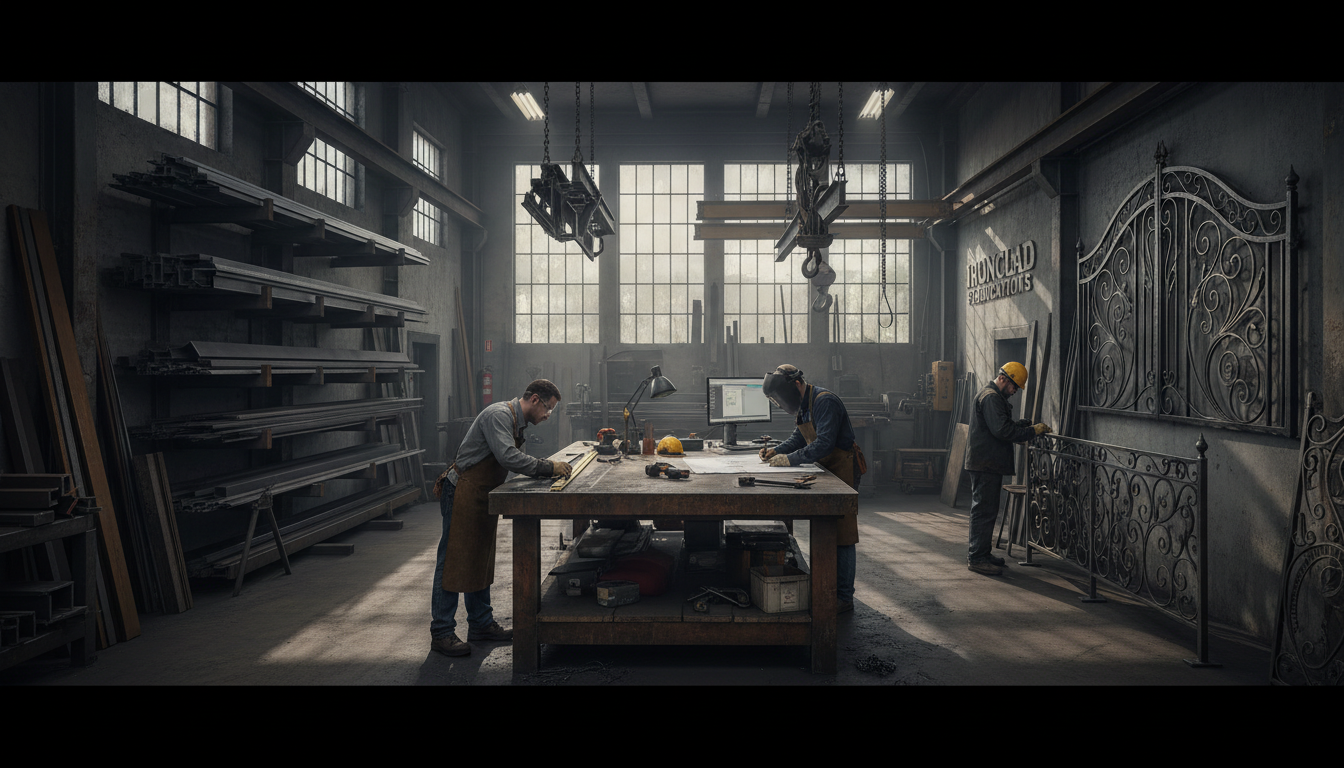
It's a common belief that metal fabrication is solely for massive industrial projects. However, this isn't true. While large-scale projects are a significant part of the industry, metal fabrication is also crucial for smaller, custom projects. From crafting bespoke furniture to intricate artwork, skilled fabricators can handle a wide range of tasks.
In fact, many local workshops offer custom metal fabrication services for personal and small business needs. This flexibility makes metal fabrication an invaluable resource for various applications.
Myth 2: Metal Fabrication Is Extremely Expensive
Another widespread misconception is that metal fabrication is prohibitively costly. While it's true that complex projects can require a significant investment, many factors influence the cost, including the type of metal, design complexity, and production volume.
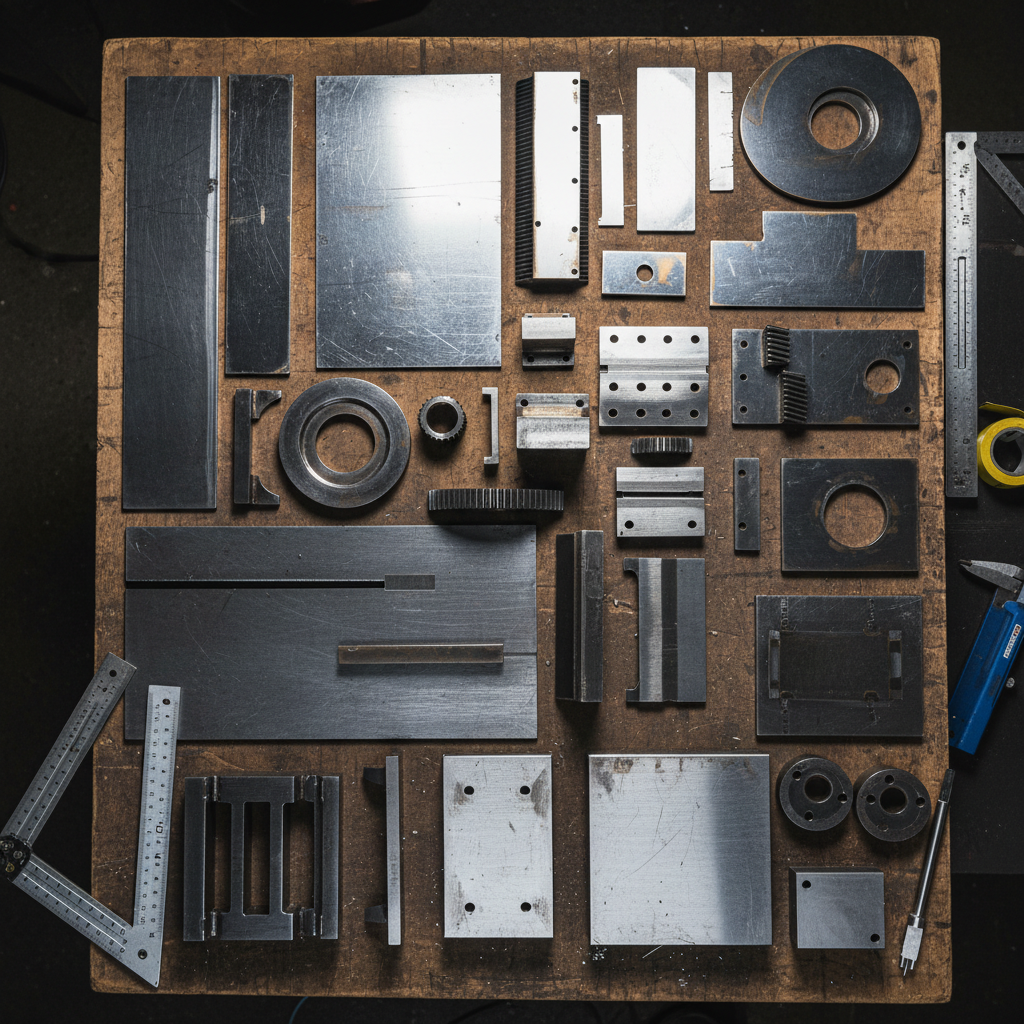
For those on a tight budget, working closely with a fabricator to explore different materials and design options can lead to cost-effective solutions without compromising quality.
Myth 3: All Metals Are the Same
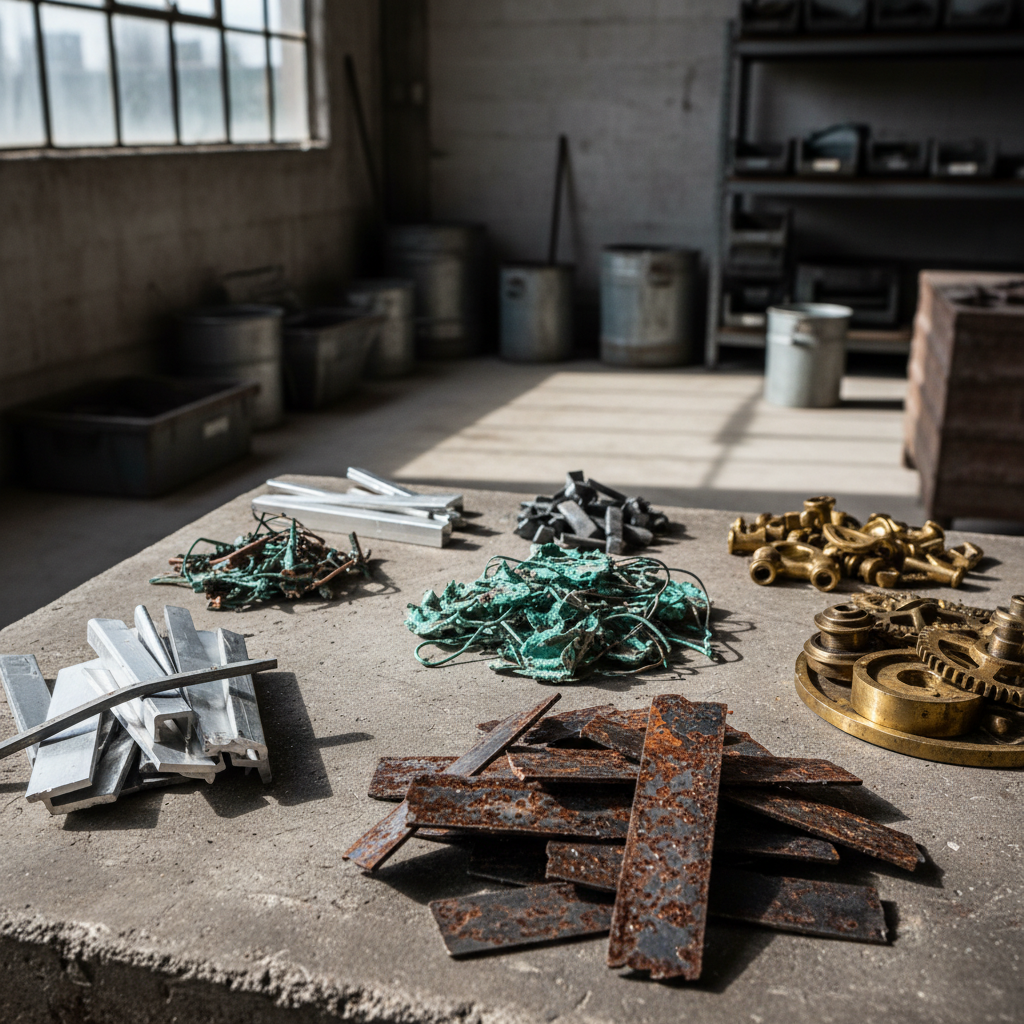
Not all metals are created equal. Different metals have unique properties that make them suitable for various applications. For instance, stainless steel is known for its corrosion resistance, while aluminum is prized for its lightweight nature.
Understanding the properties of different metals is crucial for selecting the right material for a project. Collaborating with knowledgeable fabricators can help ensure the best choice is made for specific needs.
Myth 4: Metal Fabrication Is a Slow Process
Many believe that metal fabrication takes an excessive amount of time. However, advances in technology and techniques have significantly sped up the process. Modern fabrication shops use cutting-edge machinery and software to streamline production.
By leveraging these advancements, fabricators can deliver high-quality results in a fraction of the time previously required. This efficiency is particularly beneficial for projects with tight deadlines.
Myth 5: Metal Fabrication Is Only About Cutting and Welding
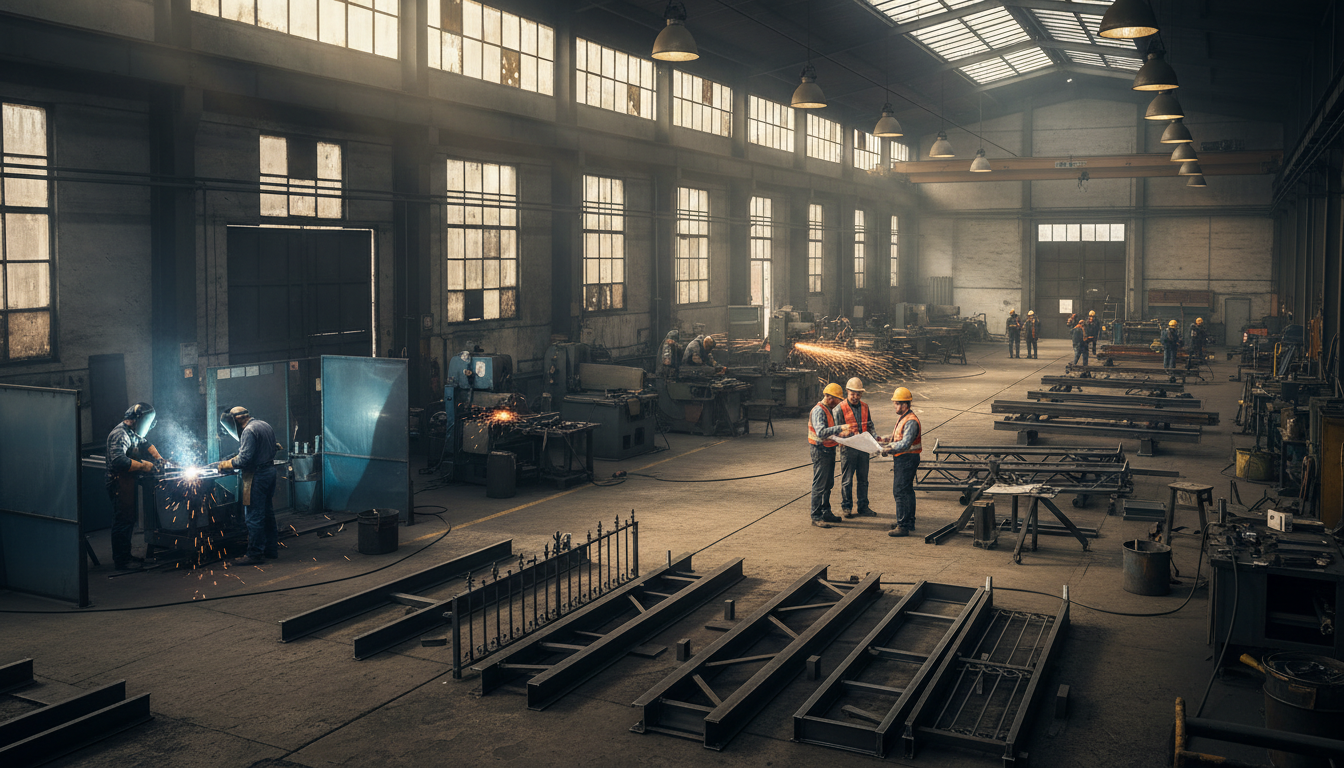
While cutting and welding are fundamental aspects of metal fabrication, the field encompasses a much broader range of processes. These include bending, punching, assembling, and finishing, each requiring specialized skills and equipment.
The diversity within metal fabrication allows for the creation of complex and detailed designs, catering to a wide array of industries from automotive to architecture.
Conclusion
By debunking these myths, we can appreciate the versatility and importance of metal fabrication. Whether for large-scale industrial projects or smaller custom creations, metal fabrication offers solutions that are both innovative and essential.