
Sustainable Fabrication Techniques: Eco-Friendly Innovations in Welding


Introduction to Sustainable Fabrication
In recent years, the demand for sustainability has permeated various industries, and the field of fabrication is no exception. As a crucial element in manufacturing and construction, welding plays a significant role in shaping sustainable practices. By adopting eco-friendly innovations, welding can contribute positively to environmental conservation.
Understanding Eco-Friendly Welding Techniques
Eco-friendly welding techniques focus on reducing waste, conserving energy, and minimizing harmful emissions. These practices not only benefit the environment but also enhance efficiency and reduce costs for businesses. Implementing sustainable methods can revolutionize the way we approach fabrication.
Minimizing Waste
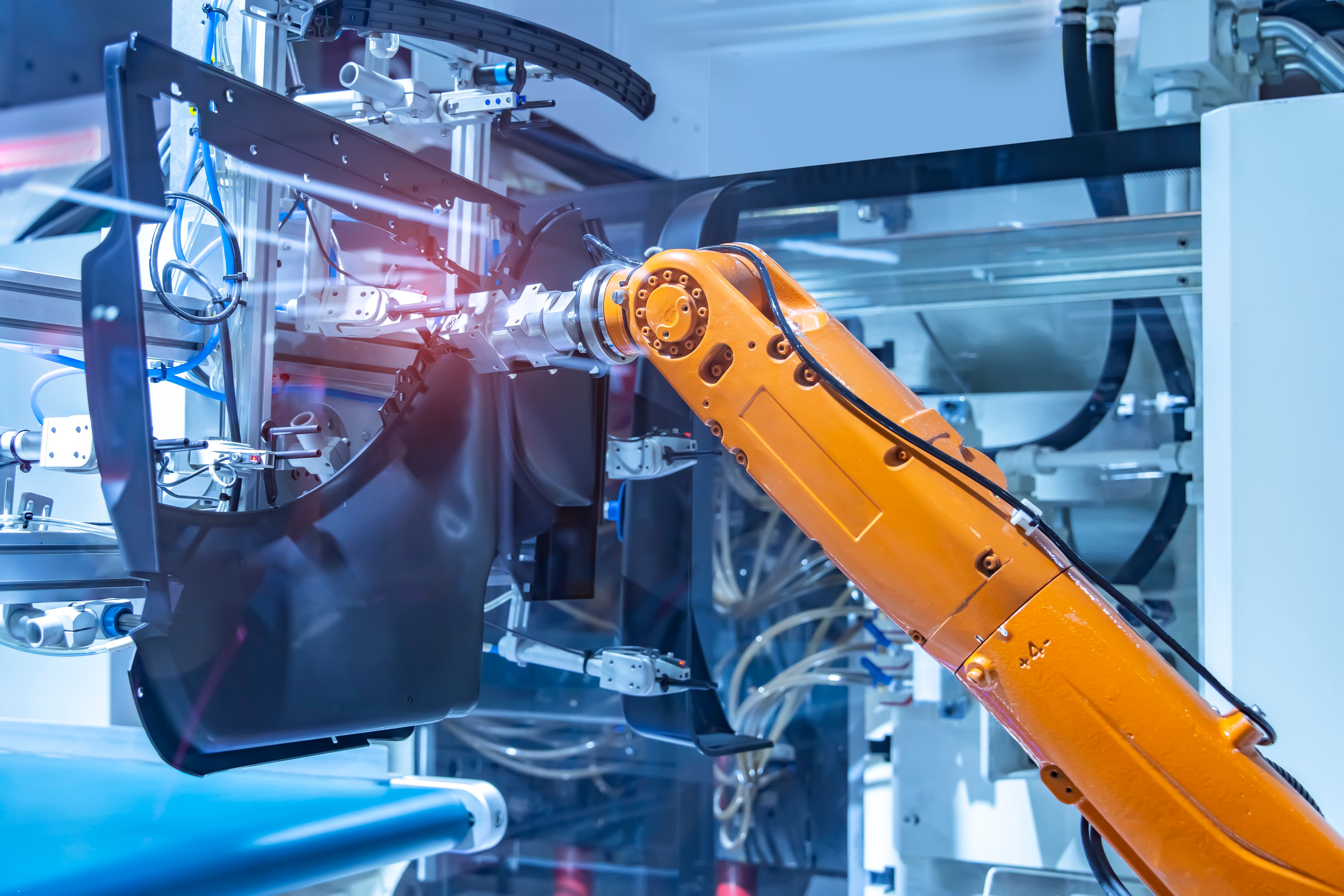
One key objective of sustainable welding is minimizing waste. Techniques such as precision cutting and automated welding help in reducing material waste. Additionally, recycling leftover materials can significantly decrease the environmental impact.

Energy Conservation
Traditional welding processes can consume a substantial amount of energy. However, innovations like laser welding and friction stir welding offer more energy-efficient alternatives. These techniques require less energy while maintaining high-quality results, making them ideal for sustainable fabrication.
Innovative Welding Technologies
Several innovative technologies have emerged to support sustainable welding practices. These technologies not only enhance efficiency but also align with global sustainability goals. By integrating these advancements, industries can achieve greater sustainability.
Laser Welding
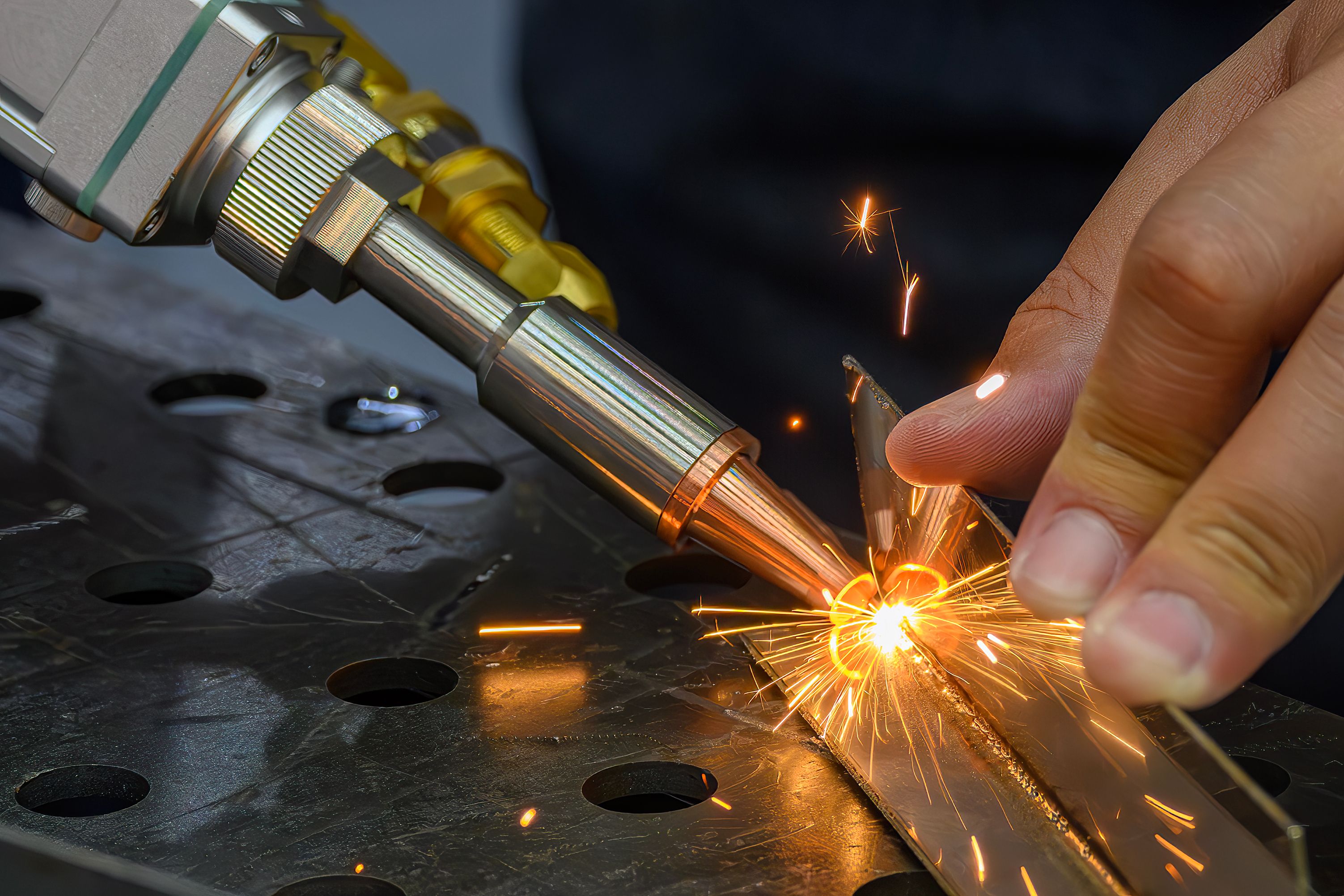
Laser welding is a cutting-edge technique that offers precision and efficiency. It uses focused laser beams to join metals, reducing energy consumption and producing minimal waste. This method is particularly beneficial for industries aiming to lower their carbon footprint.
Friction Stir Welding
Friction stir welding is another eco-friendly innovation. It involves joining materials without melting them, thus conserving energy and reducing emissions. This technique is especially useful in the aerospace and automotive industries, where lightweight, durable joints are essential.
The Future of Sustainable Welding
As industries continue to prioritize sustainability, the adoption of eco-friendly welding techniques is expected to grow. By embracing these innovations, businesses can not only reduce their environmental impact but also achieve economic benefits.
Moreover, ongoing research and development in welding technologies promise further advancements. With continued investment in sustainable practices, the future of welding looks promising, paving the way for a more environmentally conscious approach to fabrication.

Conclusion
Sustainable fabrication techniques in welding are transforming the industry. By focusing on minimizing waste, conserving energy, and utilizing innovative technologies, welding can contribute to a more sustainable future. As these practices become more widespread, the positive environmental impact will be significant, benefiting both businesses and the planet.