
Top Aluminum Welding Tips from Los Angeles Specialists


Understanding the Basics of Aluminum Welding
Aluminum welding is a challenging but rewarding skill that requires a solid understanding of the metal's properties. Aluminum is known for its lightweight and corrosion-resistant qualities, which make it a popular choice in various industries. However, its high thermal conductivity and low melting point demand special attention during the welding process.
Before starting, ensure you have the right equipment, including a welder that can handle aluminum. TIG (Tungsten Inert Gas) welding is often recommended for aluminum due to its precision and control. Additionally, always clean the aluminum surface thoroughly to remove any oxide layer or contaminants.
Choosing the Right Filler Material
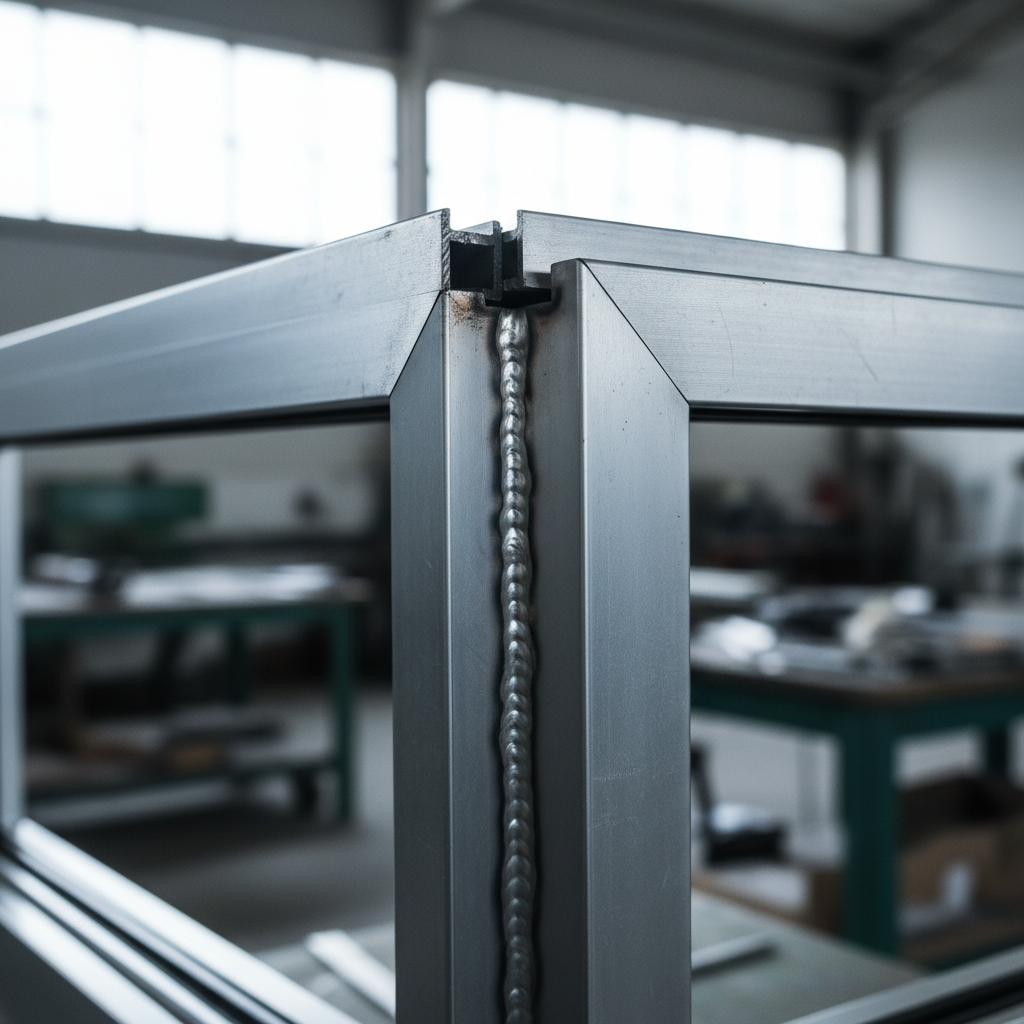
Selecting the appropriate filler material is crucial for a successful weld. The most common alloys used for aluminum welding are 4043 and 5356. While 4043 is preferred for cast aluminum due to its lower melting point, 5356 is favored for its strength and corrosion resistance. Always match the filler material with the base alloy for optimal results.
It's also essential to consider the post-weld application of the metal. If the welded piece will undergo stress or exposure to harsh environments, opt for a stronger filler like 5356 to ensure durability.
Mastering Heat Management
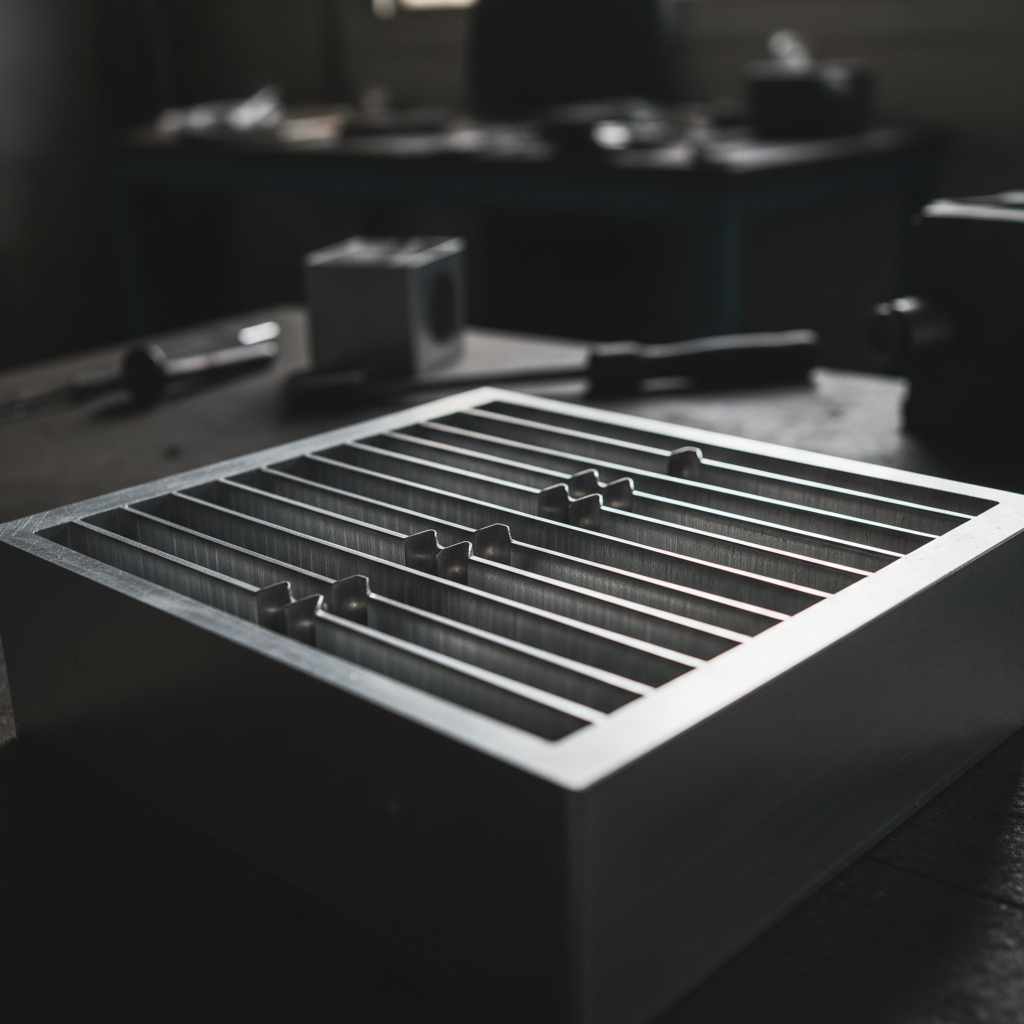
Heat management is a critical factor in aluminum welding. Due to aluminum's high thermal conductivity, heat dissipates quickly, which can cause the metal to warp or crack. To mitigate this, use a heat sink to absorb excess heat and prevent distortion.
Experiment with different welding speeds and amperage settings to find the right balance. Too much heat can lead to burn-through, while too little can result in a weak weld. Practice on scrap pieces to refine your technique.
Perfecting Your Technique
Aluminum welding requires a steady hand and precise movements. Maintain a consistent travel speed and angle to ensure even penetration and a smooth bead. Keep the torch at a 15-degree angle and use a push technique to direct the heat and filler material into the joint.
Using a foot pedal can help control the amperage, allowing you to adjust the heat input as needed. This is particularly useful when working with varying thicknesses or intricate joints.
Common Mistakes to Avoid
Even experienced welders can make mistakes. One common error is neglecting to preheat thicker aluminum sections, which can lead to inadequate penetration. Preheating helps maintain a consistent temperature and reduces the risk of warping.
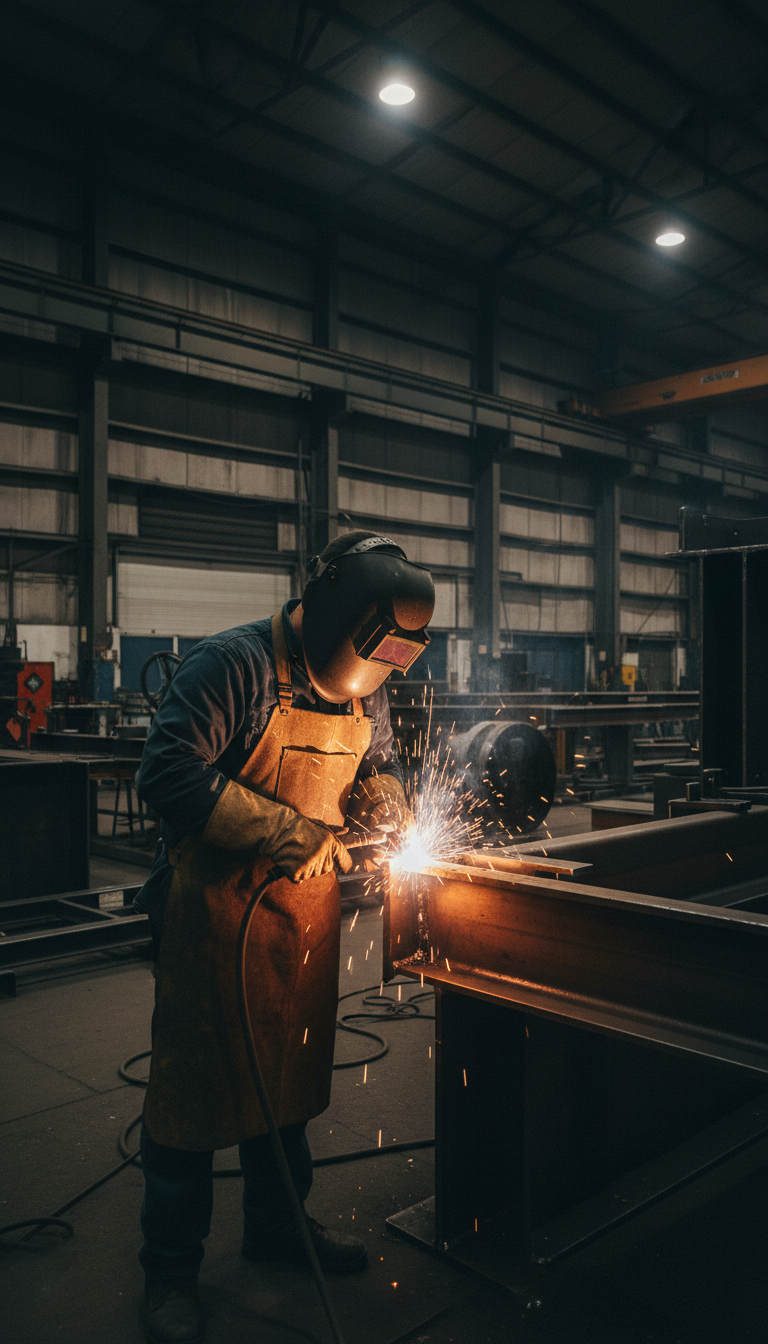
Another mistake is using the wrong shielding gas. Always use pure argon for aluminum welding to achieve a clean, spatter-free weld. Mixing gases can introduce impurities and compromise the weld quality.
Conclusion
Welding aluminum can be a complex process, but with practice and attention to detail, you can achieve high-quality results. By understanding the material properties, selecting the right filler, managing heat effectively, and refining your technique, you can tackle a variety of aluminum welding projects with confidence.
Whether you're a professional welder or a hobbyist, these tips from Los Angeles specialists can help enhance your skills and ensure your aluminum welds are strong and reliable.