
Understanding the Differences Between Commercial and Residential Welding


Introduction to Welding Types
Welding is a versatile and essential process in various industries. It involves joining materials, typically metals, through high heat. However, welding isn't a one-size-fits-all process. Understanding the differences between commercial and residential welding is crucial for selecting the right techniques and materials for your projects.
What is Residential Welding?
Residential welding generally refers to smaller-scale projects that occur in or around homes. This can include tasks like repairing fences, creating custom metalwork for decor, or fixing household items. The primary focus is often on aesthetics and functionality rather than heavy structural integrity.
Residential welding usually involves materials such as aluminum, mild steel, and sometimes stainless steel. Welders in this field often employ techniques like MIG (Metal Inert Gas) and TIG (Tungsten Inert Gas) welding due to their precision and ease of use.
Commercial Welding Explained
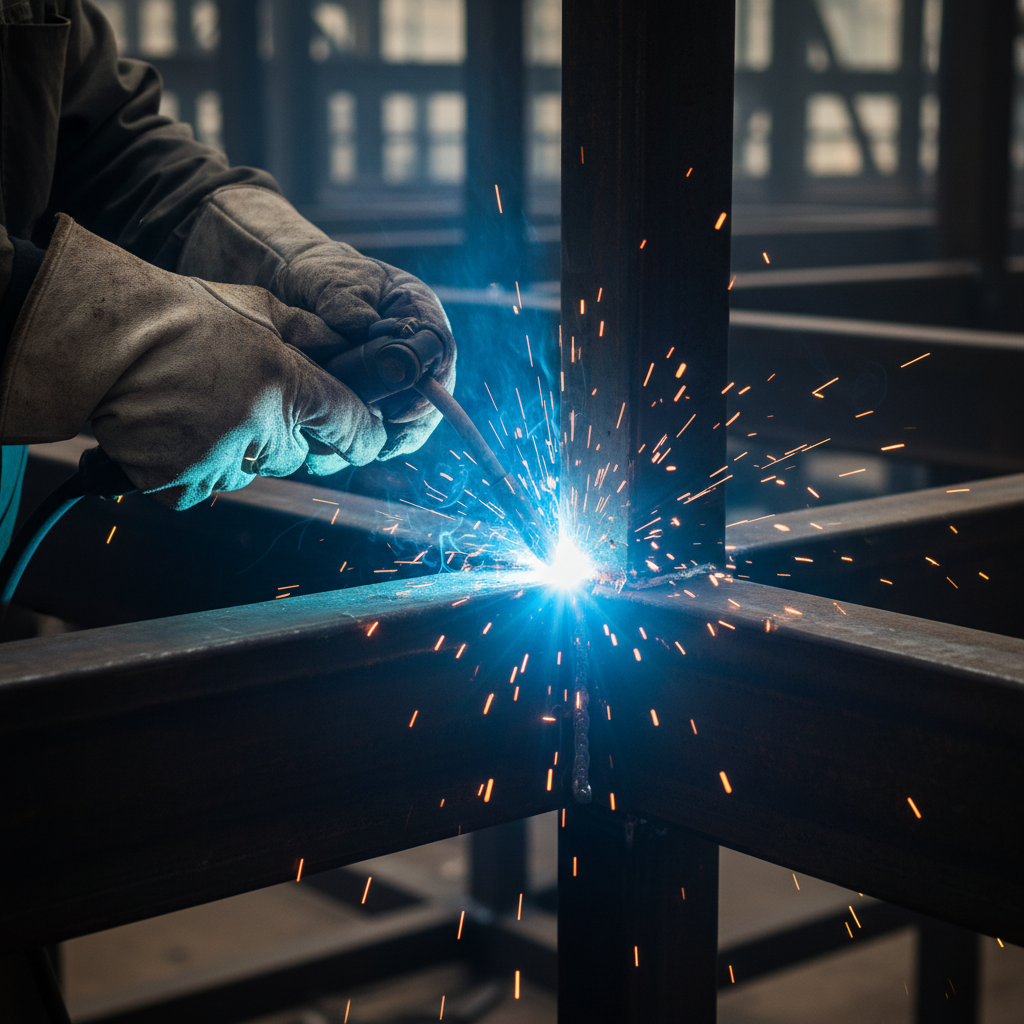
Commercial welding, on the other hand, deals with larger-scale projects typically seen in industrial, manufacturing, and construction environments. This type of welding often requires dealing with more robust materials like structural steel and performing tasks that demand high strength and durability.

Techniques used in commercial welding include SMAW (Shielded Metal Arc Welding), FCAW (Flux-Cored Arc Welding), and advanced processes like robotic welding. The focus here is on creating strong, durable joints that can withstand significant stress and pressure.
Key Differences Between the Two
The main differences between commercial and residential welding lie in the scale, techniques, materials, and objectives of the projects. Residential welding is more about customization and smaller tasks, while commercial welding prioritizes strength and efficiency for large-scale operations.
- Scale: Residential projects are smaller, while commercial projects are larger and more complex.
- Materials: Residential welding often uses lighter metals, whereas commercial welding uses heavy-duty materials.
- Techniques: Different welding techniques are employed based on the project needs and material types.
Choosing the Right Welding Service
When deciding between commercial and residential welding services, consider your project's requirements, including size, material, and desired outcome. Consulting with a professional welder can help you determine the best approach and techniques for your specific needs.

Conclusion
Understanding the differences between commercial and residential welding can greatly impact the success of your project. By choosing the appropriate welding service, you ensure that the final result meets both your expectations and the necessary safety standards. Whether you need a decorative piece for your home or a sturdy industrial structure, selecting the right type of welding is key.