
Understanding the Differences Between Commercial and Residential Welding


Introduction to Welding
Welding is a vital process in various industries, serving as the backbone for constructing robust structures and machinery. However, not all welding is the same. Two primary types of welding services exist: commercial and residential. Each has its unique applications, techniques, and requirements.
What is Commercial Welding?
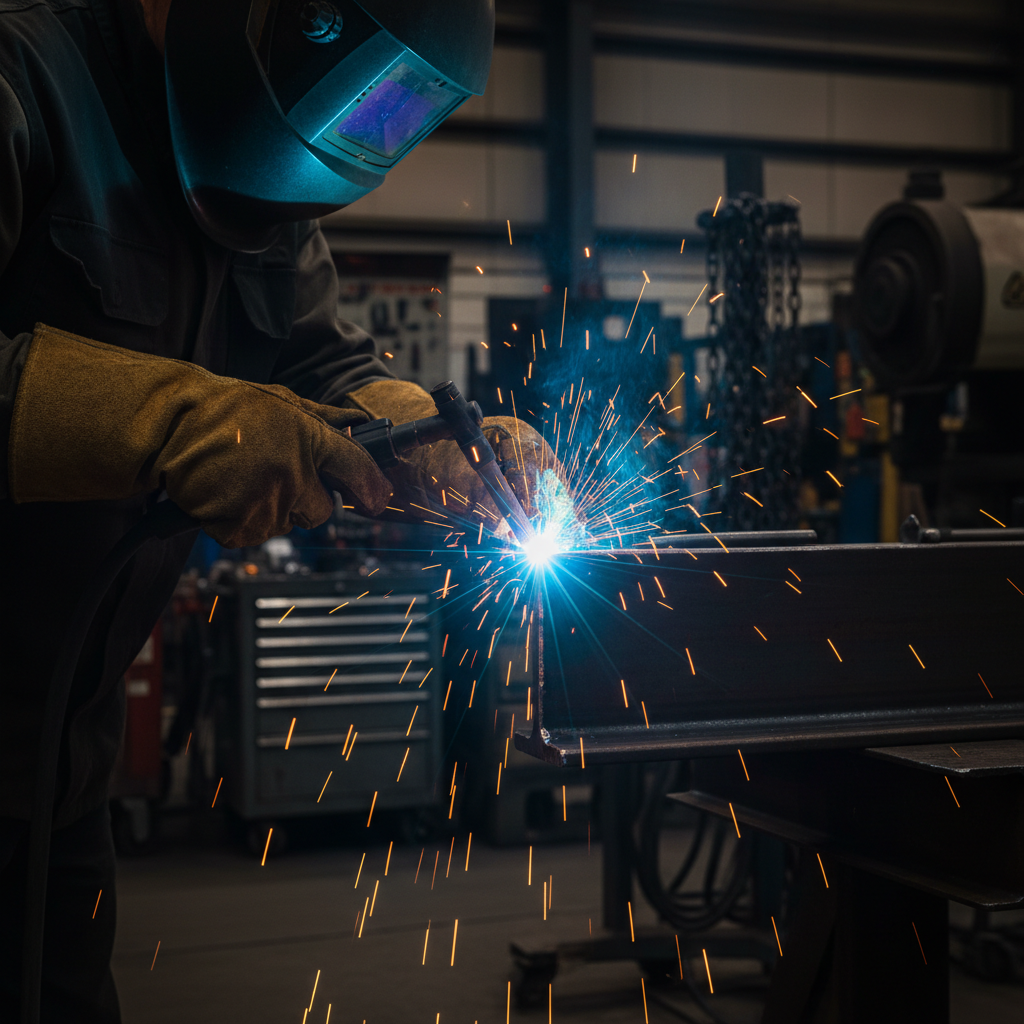
Commercial welding typically involves large-scale projects and industrial applications. It is prevalent in sectors like construction, shipbuilding, and automotive manufacturing. The primary focus is on creating durable and high-strength joints that can withstand significant stress and pressure.
Applications of Commercial Welding
Commercial welding is used in building infrastructures, such as skyscrapers and bridges. It also plays a crucial role in the production of vehicles and heavy machinery. Given its scope, commercial welding often requires more complex equipment and advanced techniques.
Understanding Residential Welding
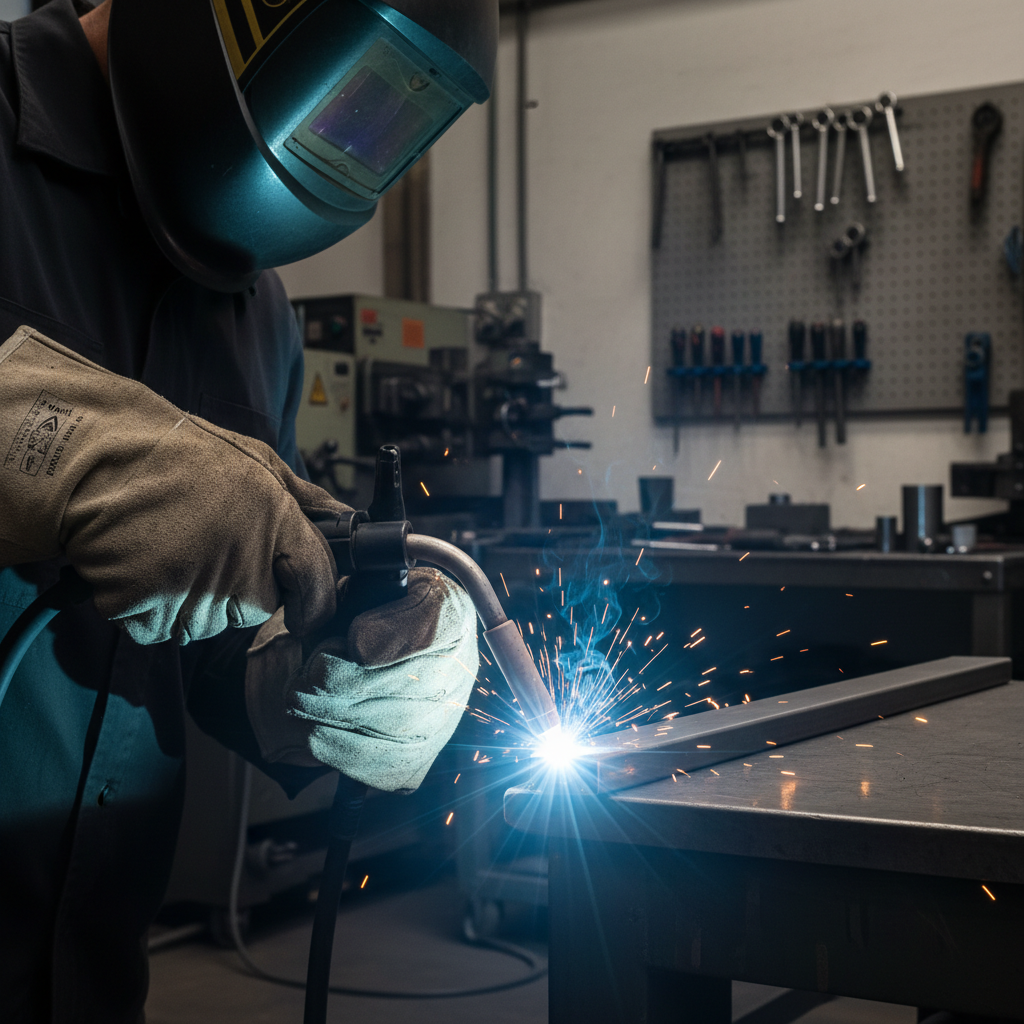
Residential welding, on the other hand, is more focused on smaller-scale projects. It is often used in home improvement tasks, custom metalwork, and repairs. Residential welders may work on gates, fences, and decorative pieces for homes.
Applications of Residential Welding
Residential welding projects are typically less demanding in terms of structural integrity but require precision and aesthetic appeal. Welders in this field often deal with a variety of metals and need to be versatile in their approach.

Key Differences Between Commercial and Residential Welding
While both types of welding share fundamental principles, several key differences set them apart. Understanding these differences is crucial for choosing the right welding service for your needs.
Materials and Equipment
Commercial welding often involves heavier and thicker materials, requiring powerful equipment and specialized techniques. In contrast, residential welding typically uses lighter materials and more portable tools.
Skill and Expertise
Commercial welders usually require specialized training and certifications due to the complexity and scale of their work. Residential welders need a broad skill set to handle diverse projects, often emphasizing creativity and flexibility.

Conclusion
Whether you're embarking on a large industrial project or a DIY home improvement task, understanding the differences between commercial and residential welding can guide you in selecting the right professional for the job. Each type of welding has its strengths and specific applications, ensuring that your project is completed with precision and durability.